
by Joseph Stoutzenberger
I am old enough to have spent my childhood immersed in pre-Vatican II Catholicism. I recall priests at the altar muttering sounds in a foreign language and altar boys responding in sounds they did not understand: Et cum Spiritu tuo. As an altar boy myself, I served at funeral Masses, during which the priest dressed in black and a hymn was chanted in Latin that translated to “a day of wrath” when “the world would be broken into ash.” Thankfully, I didn’t know what it meant, but the tone was foreboding enough. The small town where I grew up was home to two Catholic churches and many Protestant churches. As a Catholic, I wouldn’t dare enter one of the non-Catholic churches. I didn’t know what went on in them, but I was sure that it was unholy and taboo. Vatican II ended in 1965 and ushered in not only external changes but also changes in attitude and ambiance as well. I noticed the transformation that took place over the next decade and presumed that this was unanticipated and unprecedented for Catholicism, not just a renovation but a revolution. It felt that the Holy Spirit was certainly active in the late sixties and early seventies. It was only later that I discovered that for decades before, seeds had been planted and nurtured that came to fruition at the Council. One person who was a harbinger of change was a French layman name Louis Massignon (1887-1962).
Massignon lived during the period of colonialism by Western European nations. During the nineteenth and well into the twentieth century, parts of Africa and Asia were carved up by different countries, especially England and France, and exploited for their natural resources. France’s takeover of Algeria led to the murder of over a million Algerian people, Arab and mostly Muslim. Massignon looked at this tragic situation through his understanding of the Incarnation of Christ. He pondered the words of Jesus about caring for the hungry, the thirsty, and those in prison and suffering. Whatever was done for “the least”—suffering, impoverished, oppressed people—was done for Christ and in the name of Christ. While some Catholics in northern Africa suffered hardships, the majority of people who were hurting under this colonial arrangement were Muslims. For Massignon, if Christ is present in the poor, then surely he was present in the Muslims who were beaten down physically and psychologically.
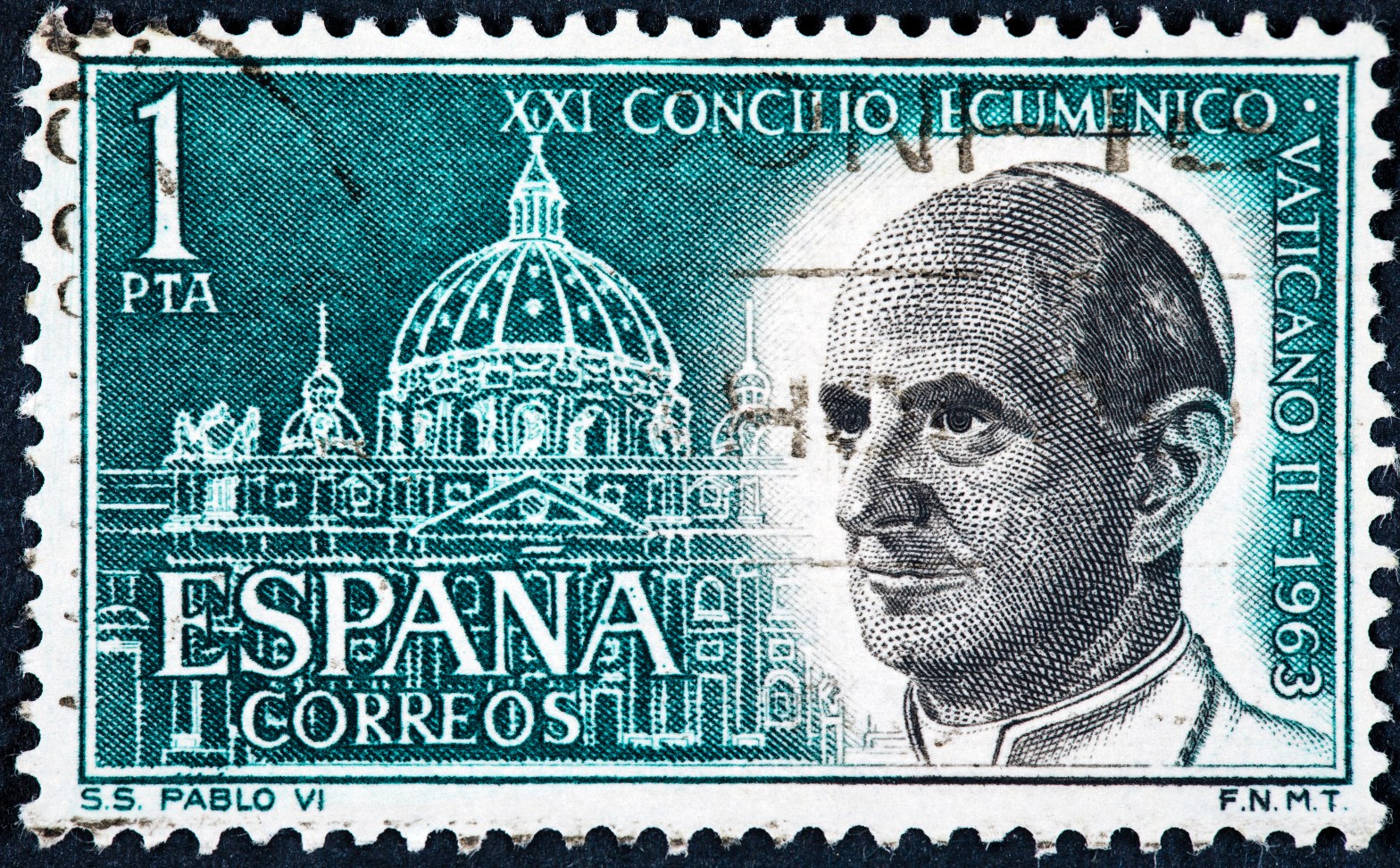
In 1934 Massignon and a friend started the Badaliyah movement dedicated to praying for and caring for people suffering under these unjust political and social arrangements. In his mind, it required learning Arabic (Badaliyah is an Arabic word meaning “substitution”) and about the religion and customs of Islam. Massignon wrote that substitution means “to rejoice with them, and suffer with them, especially for that which they lack, in order to be worthy of carrying them.” He wrote that Mary welcoming divine presence within her serves as an inspiration “to persuade our hearts to console the afflicted and to transfigure the despair in this Muslim country.” His appreciation for and love of Islam and Muslims inspired many Catholics. Among them was Giovanni Battista Montini, who became Pope Paul VI in 1963 and thus oversaw most of the proceedings of Vatican Council II. Montini was a member of Massignon’s movement and received his annual newsletters. One of the groundbreaking changes coming out of the Council was a recognition of the “rays of truth” that emanate from religions other than Catholicism. Massignon died a few months after the beginning of the Council, but his message was consequential in this change in teaching and attitude toward other religions. I no longer needed to fear entering non-Catholic places of worship. I attended prayer services where representatives of various religions prayed together. I even attended a few weddings in a Lutheran church where a Catholic priest was also present, blessing the couple as part of the service. Pioneers like Louis Massignon led the way for dramatic changes simply by probing Catholic teachings such as the Incarnation and applying them to the realities in which they lived.
 Joseph Stoutzenberger
One thought on “Vatican Council II: Evolution or Revolution?”