

by Joseph Stoutzenberger
Many years ago, I sat in on a class on sacraments at LaSalle College, now a university. During a lunch break, I sat at a table next to an old professor. I’m not sure what his subject area was, but he asked me what I was studying. I told him I was coming from a class about baptism and the Eucharist. He said, “Ah, procreating and eating. Without those, the human species would cease to exist.” I felt as though what he said contained great wisdom, but I wasn’t sure what that was. Eventually, it came to me. Religious practices, such as baptism and the Eucharist, are not an add-on to life. They are a recognition of the sacredness of all aspects of human existence, especially of its essentials.
Try not eating for a couple days and see what happens. The foods we eat are a great gift. The weekly Jewish Sabbath meal and the annual spring-time Passover seder are a recognition of that. During the seder, the youngest person interrupts the meal at different times to ask the oldest person a variation of the question: How is this night different from every other night? The answer is: Because on this night, we were slaves, and now we are free. Each meal is a gift, gives life, and sets us free. Without food, we would wither and die. The Catholic Eucharist is a meal as well, a giving thanks for the bread of life. This spirit of thanksgiving carries over when Catholics pause before eating to say grace before meals. We are blessed by God for the food we are about to eat.
Procreating is essential to human existence as well. I recall a movie not long ago about one young woman who was the last person on earth who might become pregnant because of environmental changes. Keeping her safe was the challenge faced by the movie’s characters. Thankfully, we are not there yet; but it would be perilous if we ever became nonchalant about the birth of another of our species. Baptism is a celebration of life—one particular life as well as life itself. It represents a commitment on the part of family and community to nurture this life into adulthood so that the cycle of life continues.
A secular mindset can miss the sense of wonder that would come from pondering the splendor of the grand interwoven story of existence. Although secularists cringe at the notion of
God, partially because of the misrepresentations of that concept held by many so-called believers, it strikes me that acknowledging “God” is shorthand for recognizing the sacredness of our interconnected world, the ground of our being, as Paul Tillich would say. On the other hand, religions do not bring people to an appreciation of an all-pervasive sacred if they separate what is “religious” from everything else. The Eucharist is not just food for the soul, but a celebration of gratitude for all that nourishes us, body and soul. Baptism is a moment when a gathering recognizes life for what it is, a great gift that needs love, care, and support.
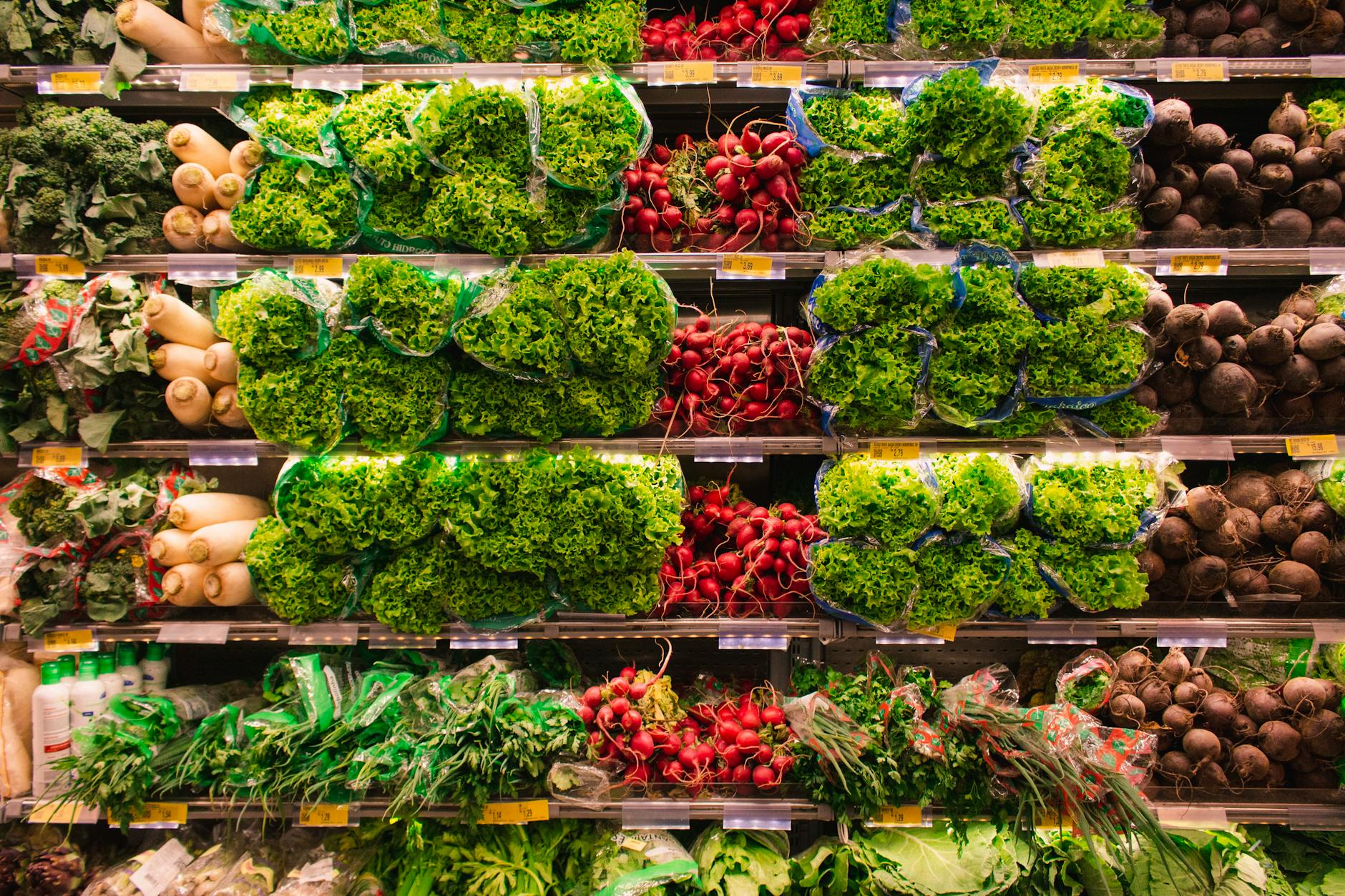
When Nikita Khrushchev, one of the last leaders of the Soviet Union, visited the United States, one thing, in particular, he marveled at was the well-stocked grocery stores that we are used to. Except for when there’s a noticeable shortage of eggs or milk, we take supermarkets for granted. Holy water fonts are placed at the entrances to Catholic churches to remind people that they are entering sacred space. Perhaps we should have visible reminders at the entranceways to grocery stores that we are entering a grand cathedral of food choices. Or we need more reminders of the sacredness of all forms of life around us, perhaps Walt Whitmanesque chants singing the body electric.
Allen Ginsberg has a poem about entering a supermarket in California that brings Walt Whitman to mind for him. He captures something of the wonder of the place in these words:
What peaches and what penumbras! Whole families shopping at night! Aisles full of
husbands! Wives in the avocados, babies in the tomatoes!

We would do well to bring such a sense of wonder to our own commonplace experiences as well as the church services we attend. Birthing, nurturing, lending a helping hand, sharing, gardens and growers, farmworkers, feasts, and simple meals with friends. There is so much to be thankful for and so much to spark wonder if we take the time to look a little closer. Babies in the tomatoes…What a delight to see!
 Joseph Stoutzenberger