

by Joseph Stoutzenberger
The city of Ephesus, now in modern-day Turkey, was home to a thriving Christian community in the early years of Christianity. Today you can still visit a small chapel there that claims to be built on the site of the home where Mary, the Blessed Mother, lived out her last days in the company of the apostle John. On the path leading up to the chapel is a sign that says that Pope John Paul II declared this site to be “worthy of veneration.” He didn’t support or reject the claim that the Blessed Mother actually lived there, but he was saying that it is indeed a holy place. When I visited the chapel, I nonchalantly went in and looked around at the altar and surroundings. I kept thinking, “What are the chances that Mary actually lived here?” Then three men came into the chapel. They immediately genuflected and blessed themselves. Judging by the way they made the sign of the cross, they were Eastern Catholics or Orthodox, not Latin rite Christians. They genuflected and blessed themselves three times on the way to the front of the chapel, knelt before a statue of Mary, lit candles, and bowed their head in a posture of great devotion. I realized that I had approached this place as a tourist; these men were pilgrims. They were moved to bow down in adoration in the presence of the holy. The chapel offered them an opportunity to connect to the Blessed Mother, regardless of whether or not she actually lived there.
I began asking myself if I approached anything with the spirit of reverence that the three men exhibited in Mary’s chapel in Ephesus. Such expressive spirituality runs counter to our modern, secular age. As I go through life, am I always a tourist? Am I ever a pilgrim? Getting down on our knees in adoration is not a gesture that comes naturally to people steeped in secular culture. Aren’t we missing something because of this failure on the part of so many of us? Isn’t something vital lost? Surely there is someone or something we should regard with great reverence. The three men were onto something that we might assent to intellectually but seldom bring ourselves to enter into. Places of worship are meant to be that—places where people go to connect with the holy. Is there any hope for us who are increasingly numbering ourselves as among the “nones,” people indifferent to religion and in large part indifferent to any sense of the sacred?
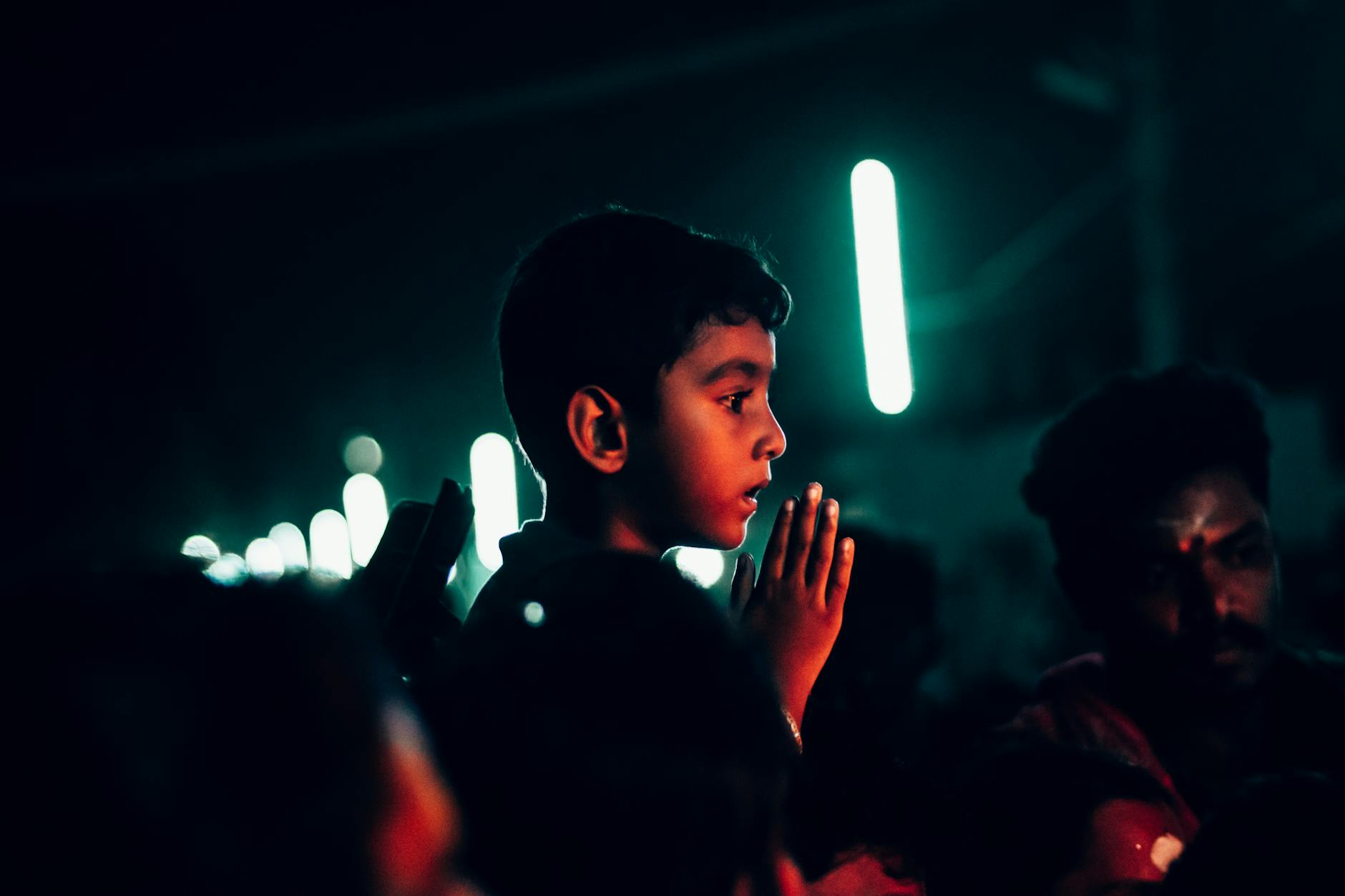
Some people still seem to be better at adoration than most Catholics, main line Protestants, and secular humanists are. Five times a day devout Muslims prostrate themselves in recognition of the all-merciful, all-compassionate God. Many Evangelical Christians feel themselves transformed when they go to church where they experience the presence of Jesus, their Lord and Savior. Some Catholics associate practices done before the changes brought on by Vatican Council II, such as the Mass in Latin, as conveying a spirit of reverence that they find lacking in Catholic practices of today. What would help the rest of us reclaim a sense of the sacred? Catholic writer Carlo Carretto offers the following guideline for how to cultivate an attitude of reverence and feel connected to the holy that secularists might find helpful:
Try very hard to have a child’s heart and a child’s eyes, then everything will be easier for you. Gaze at things, study things; don’t be afraid of wasting time strolling along by the sea or looking in a microscope….God looks at you through all the signs of creation all around you that are filled with God’s presence. They will speak to you of God.
If we can slow down our racing mind, step away from screens, and tap into a sense of wonder and pondering, we might discover what Carretto says: God is gazing at us, present all around us, and speaking to us. Then we can smile and join the chorus of people who bow down before the holy and sing God’s praises in heartfelt song. We can become pilgrims on a sacred journey through life.
 Joseph Stoutzenberger