

by Joseph Stoutzenberger
I recently attended a seminary reunion. (Seminaries are schools designed to prepare men for priesthood.) A few of the men at the reunion had continued on to become priests and to serve in that capacity. Most attendees had left the seminary at some point, and of those the majority married, worked in some form of social service or education, and remained thoughtful, involved participants in Catholic life. Coincidentally, the first reading for the Mass of the day was about St. Peter. In the gospels, Peter is identified as a married man. If they followed the custom of their time, either all or most of the twelve apostles chosen by Jesus were married, as were the vast majority of disciples, men and women. Peter is never identified as a priest, but Catholicism considers him to be the first pope. No doubt he and most of the other early popes were married men. That reality raises the question whether the Catholic Church will ever return to this practice of the earliest days of Christianity and ordain married men as priests.
Vatican Council II in the 1960’s called for a reexamination of all aspects of Catholic life and practice. The Council set aside two topics that it said should be examined later as they required further study: artificial birth control and married priests. A commission was established to study the question of artificial birth control and submitted its report to the pope supporting the use of birth control. The pope at the time, Paul VI, was concerned that this position went against earlier church teachings and delayed making any public pronouncements on it for two years. He asked a few professors from a Roman seminary to draft a statement on the matter that would reflect earlier church reasoning on it. Three years after the close of the council and two years after his commission had submitted its recommendation to approve the use of birth control, Pope Paul issued an encyclical called Humanae vitae, which declared that “natural” forms of birth control are acceptable but that “artificial” birth control was unacceptable because it separated the procreative purpose of sex from the unitive purpose. Sex in marriage was to be both loving and open to the possibility of new life. Married couples who wanted to limit the number of children they had should learn the intricacies of “Natural Family Planning,” considered acceptable, and avoid what were labeled as artificial means of family planning, such as using the birth-control pills available beginning in the early 1960’s.
The question of married priests remains largely unchanged since the Council with a few exceptions. Celibacy, prohibiting marriage as a requirement of ordination to priesthood, remains standard policy in the Western church. It is a matter of church discipline. If he chose, the pope could reinstate the ancient practice of having married men serve as priests in the Western church. Eastern Catholic communions, such as Ukrainian Catholics, have always had married priests along with priests who followed the more monastic tradition of not marrying. Since the council, the Western Church has accepted married but duly-ordained Episcopalian and Lutheran priests who wish to join the Catholic Church to serve as priests and remain married. Some bishops in places where priests are scarce have been calling for married men to be ordained, such as in some parts of Latin America. They argue that the Eucharist is being denied thousands of people because of the lack of priests while many worthy married men could make the Eucharist available on a regular basis if they were ordained. They point out that the celibacy requirement is a matter of church law, not of dogma.
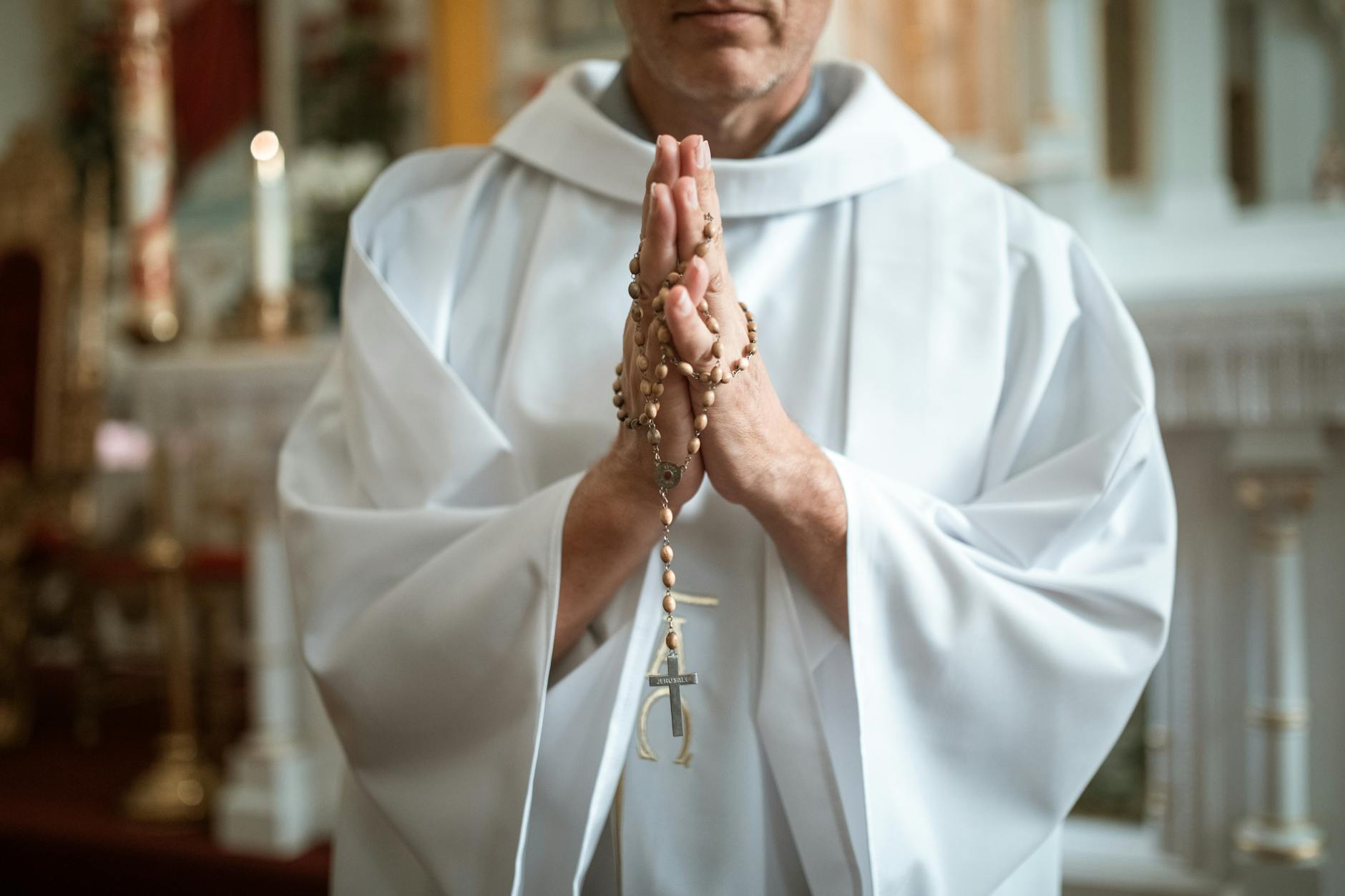
Vatican Council II ushered in many changes to church discipline that are now accepted as standard practices, even though they were resisted by many people within the church when they were first proposed. Before the council, who would have predicted that the Sunday Mass obligation could be met on Saturday night, that there would be girls joining boys as altar servers, and that the language of the Mass would no longer be Latin? Few Catholics would have predicted that anyone other than the priest could touch the sacred Communion host. Now, lay Catholics receive Communion in their hands, distribute Communion at Mass, and bring Communion to those who can’t make it to Mass. One change that percolated awhile before being introduced was ordaining married men to serve as deacons. Catholics have come to accept and often appreciate that a deacon will preside at weddings and baptisms and preach at Mass. There is now also discussion in some church circles of ordaining women as deacons, a practice which some scholars find referenced in scripture itself.
Meanwhile, seminary reunions are being held at which men who lived together, studied together, and shared a love of service together gather. It is only when Mass begins that a few among them put on the priestly robes and serve in their official capacity as ordained priests. Meanwhile, Eucharistic deserts exist, where Mass is celebrated rarely, while good, holy men and women offer to serve God and others in whatever capacity the Church allows.
 Joseph Stoutzenberger