

by Joseph Stoutzenberger
A recent translator of Homer’s Odyssey points out that in classical Greek the word for “stranger,” xenos, also means “guest.” The two appellations cannot be separated. In that sea-faring culture, treating strangers as guests was a virtue of the highest order. Zeus himself, not a lesser god, is designated “protector of strangers.” The gods frowned upon inhospitality with a vengeance. The Odyssey itself contains many tales of welcoming on the one hand and refusal to observe proper gestures of hospitality on the other. In fact, in that culture a stranger is likely a god in disguise and should be treated as such. Odysseus, the hero of the epic poem, returns home in the guise of a beggar and is greeted warmly by a lowly swineherd but not so by men in high estate who wish him dead.
If you are familiar with the Bible, you know that hospitality was also important in Hebrew culture. Abraham welcomes three strangers who turn out to be messengers from God bringing him good news—His ninety-year-old wife was to have a son. Imagine how the entire biblical epic would be different if he had turned them away! There would have been no Isaac or Jacob or children of Israel, descendants of Jesus himself. The book of Genesis also tells how Lot welcomes strangers into his house, and when his fellow townspeople call for him to send them out so that they can molest them, Lot offers them his daughters instead. Such was the sacred duty of hospitality in that culture.
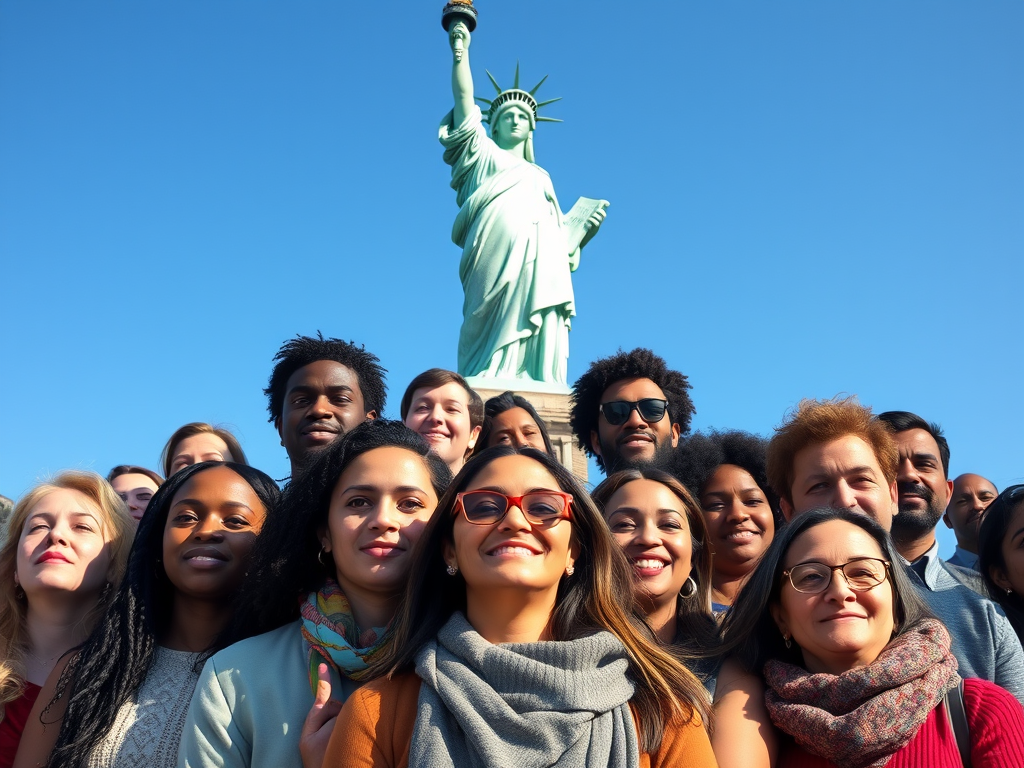
Where do we place hospitality in American culture today? Is the dominant viewpoint that people who come into our country guests, or merely strangers, and not welcome ones at that? Xenophobia means fear of strangers, typically accompanied by dislike of those who are not of one’s kind. There has been a strain of xenophobia running through American history, anti-immigrant sentiment despite the welcoming words below the Statue of Liberty. One large group that has been the target of anti-immigrant attitudes has been Catholics. Nativist Americans subjected Irish, Italian, Polish, and Slavic immigrants to discrimination from the mid-1800s to the mid-1900s. More recently, immigrants from largely Catholic Latin America and many immigrants from Africa are viewed as a threat to American culture and are not welcome by “America first” proponents. Some of those immigrants have come here following the legal procedures in place, but many have not. How should people in both categories be treated?
Pope Francis, and now Pope Leo XIV, have been strong advocates calling for compassion toward migrants. Throughout the world people are on the move, escaping violence, famine, climate change, and oppression in their native lands. European countries have seen a great influx of immigrants from Africa and the Middle East. The United States and Canada have seen immigrants pouring into their countries as well. Clearly there is a crisis, and no simple answers exist. Nonetheless, immigrants can be met with compassion or with cruelty. Some Americans look upon cruelty to immigrants as standing up for citizens who presumably are hurting because of the influx of non-citizens to the country. Many false narratives surround this perception. “Illegal immigrants commit crimes,” when in fact they are less likely to commit crime than citizens are. “They take jobs from Americans,” when in fact they often do jobs that few Americans would do or contribute to the welfare of all through working in highly-skilled professions. “They drain the system by attending schools and receiving government benefits,” when in fact immigrants, even undocumented ones, typically pay taxes and contribute to social security, Medicare, and unemployment insurance.
Is America diminished or enriched by its growing diversity of cultures? Do that Mexican restaurant and Korean bubble tea stand add to America’s food choices in delightful ways, offering alternatives to the typical American fast-food fare? Have doctors and other hospital workers from India, the Middle East, and Africa added to the nation’s healthcare system? It’s likely that even America First advocates are grateful for the migrant-picked fresh produce available to them and other benefits they receive from immigrants, even when they don’t realize it. Does celebrating Cinco de Mayo and St. Patty’s Day take away from celebrating July Fourth, or are they a celebration of the rich tapestry that is America?
There’s an underlying message from the ancient Greeks and Hebrews that applies: Always err on the side of love. When we do so, we are on God’s side. That message should apply to dealing with immigrants of all stripes, despite the challenges they pose. Read the Gospel of Matthew, chapter 25. If Jesus is to be believed, that family dressed in rags showing up at our border is an incarnation of God. In response to them, what would Jesus do?
 Joseph Stoutzenberger