
by Joseph Stoutzenberger
When the hospice nurse met with us about our brother, we mentioned that there were moments when he was alert and coherent and aware that we were there with him. She said, “Yes, such moments are common, even when people are dying. We call them gifts.” Later, I reminded myself that there have been moments in my own life when I felt more attentive and more connected to the people and the world around me. They were gifts, moments of feeling more alive. More often than not, I was not aware of them at the time. It’s good practice to think back on a day when my little life has been enriched with the simple gifts of connection and grace. And if at any time I have been the catalyst for enhancing the life of others in some simple way—sharing gifts—all the better.
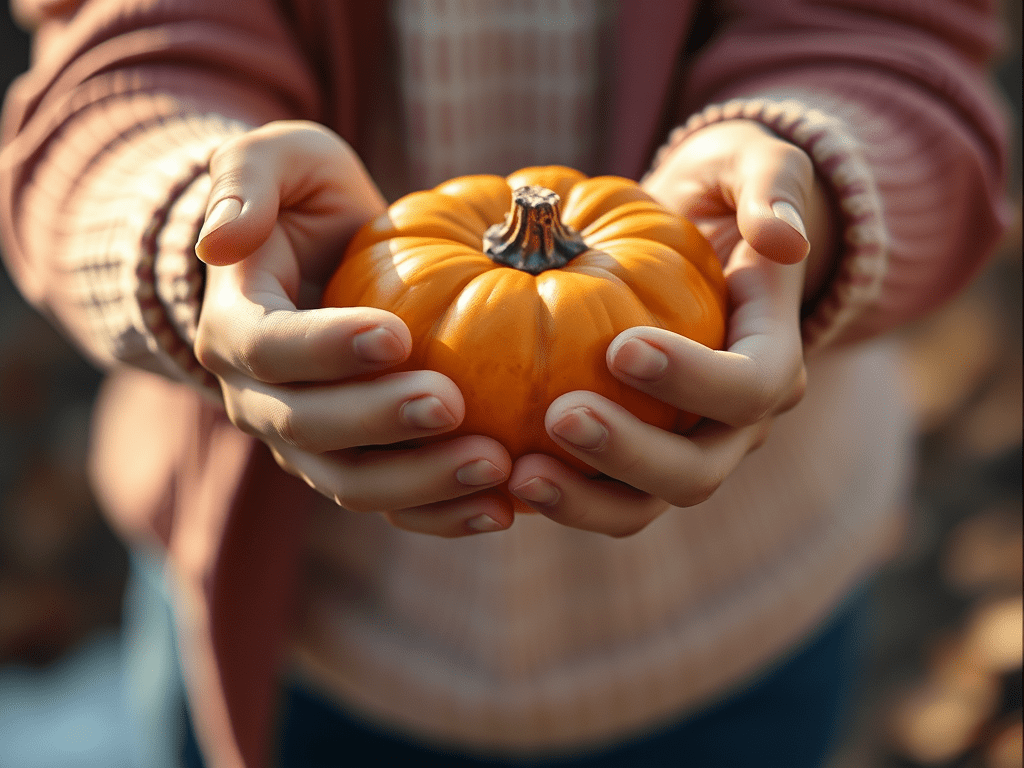
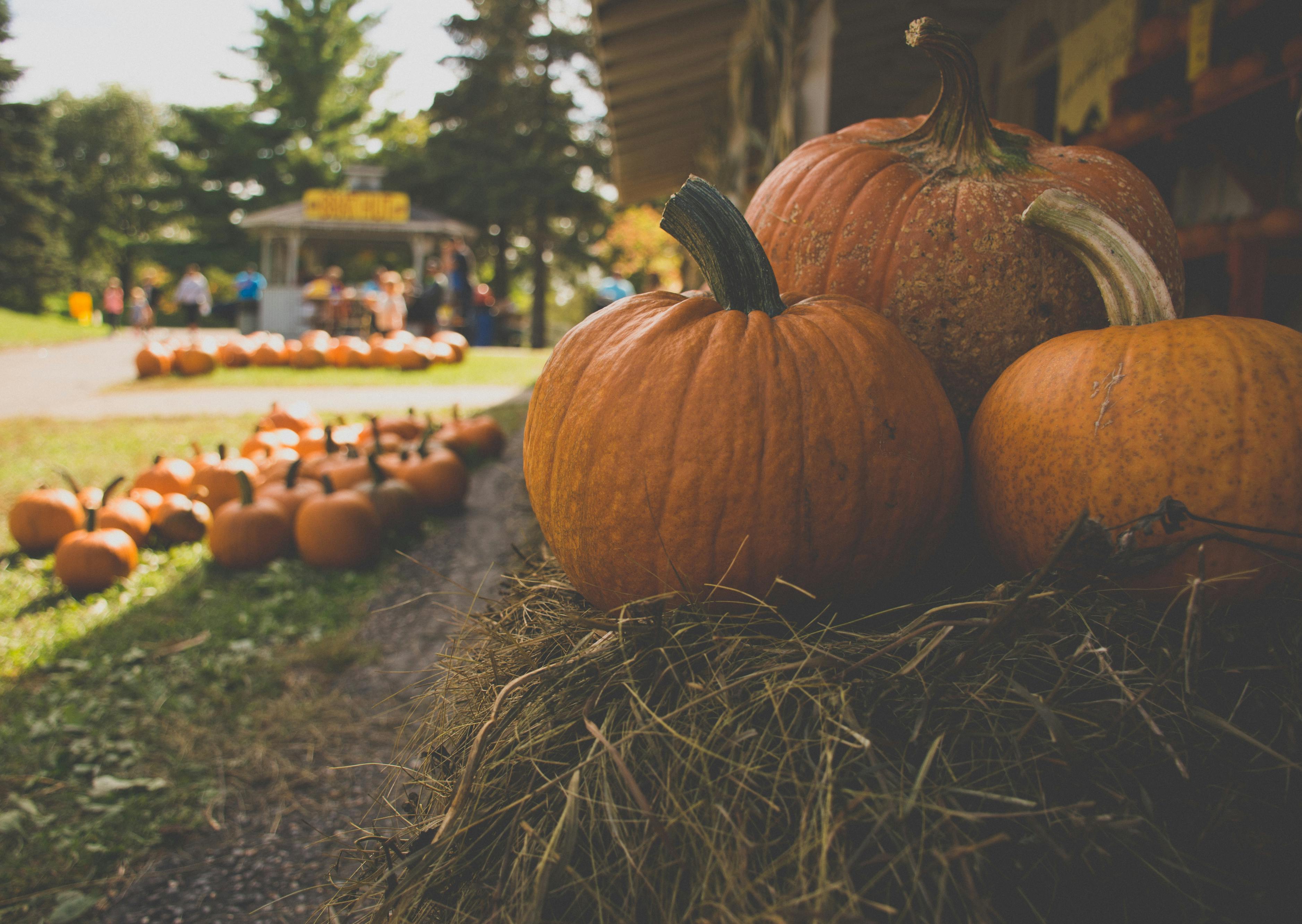
Coming home from Lancaster to Philadelphia this October, we stopped at a little community park to change drivers. We walked a bit before resuming our trip, and a man came up to us and said, “I’m chief of police here, and we have a whole bin of pumpkins left over from our trunk or treat event last night. Won’t you take some home with you?” We had passed many stands selling pumpkins, and I thought we should stop and buy one. Now, instead, we were offered free pumpkins by a kindly chief of police in a township I couldn’t even name. Our stash of fresh pumpkins now line our front steps. It was a brief, unanticipated encounter, but the kind of little treat that makes life more pleasant.
Many books have been written lately about entering into the present moment and delighting in it. Richard Rohr’s Center for Action and Contemplation has a treasure trove of resources to help people cultivate being attentive to the divine presence in the simple ordinariness of our daily lives. Walt Whitman was an American pioneer in celebrating the beauty of the present. For him, “every moment of the light and dark is a miracle.” Jesus had a way of drawing our attention to the simple gifts that surround us. Just as he saw them, we also see birds flying overhead if we pause to look. By drawing our attention to birds above, he enkindles in us a sense of comfort and reassurance, that their untroubled existence can inspire us to hand over our own cares into the hands of a loving God. We enjoy bread without contemplating what Jesus reminded us about, that simple yeast, invisible though it is, makes it rise to our delight. Who can’t imagine what it must feel like to be a lost sheep or beaten and robbed while traveling? In so many of his stories and examples, Jesus was attempting to spark deeper awareness in us of what we often overlook. Even when not facing imminent death, we can appreciate such experiences as gifts.
There’s no guidebook for slipping into unconsciousness and out of consciousness as we face death. For those holding vigil, it is a gift when lucidity shines through the twilight sleep of the dying. Holding onto life comes naturally. The central Christian message, celebrated at Easter and at every Mass, is that a lifetime of moments of awareness and connection go with us beyond death. The Catholic funeral liturgy offers the following words of hope for grieving loved ones: “My brothers and sisters, we believe that all the ties of friendship and affection which knit us as one throughout our lives do not unravel with death.” Savor those moments of feeling alive, even simple pleasures. They stay with us, even as we enter the timelessness of eternity and our consciousness slips away.
 Joseph Stoutzenberger