

by Joseph Stoutzenberger
My paternal grandfather Jeremiah died two months before I was born, so I was going to be named after him until at the last minute my mother decided it was too long a name to go with my 14-letter last name. I ended up Joseph. Nonetheless, I was drawn to the book of Jeremiah and felt some connection to the troubled prophet who has a book named after him in the bible. Twice Jeremiah says about the rulers of his country: This people has forgotten how to blush. A few people were accumulating great wealth and power while many others were starving to death or barely getting by. Jeremiah tries to warn everyone that such inequalities are an abomination in the eyes of God; but the rich and powerful, who lived in ornate palaces while just outside their walls children were hungry and homeless, didn’t even blush. Does this apply at all to today?
It’s human to blush when we feel embarrassed or ashamed. Granted, it’s not life-giving to let such feelings linger and hinder our entering fully into life. Blushing works best when it leads to action. Mistakes are inevitably made; that’s part of being human. If we have no capacity for introspection and don’t feel the pain of others, especially when we have been complicit in inflicting that pain, we won’t take action to help others. Jeremiah reminds us that blushing is part of that process. Not to blush ever is to lack conscience. Catholics have a sacrament designed to help people be honest with themselves, admit to mistakes, and then to “do penance,” which means to make amends however possible. Without doing penance of some kind, the confessional process is hollow. Alcoholics Anonymous is also built upon the premise that the starting point for overcoming the problem is to admit that there is a problem: “My name is Sarah, and I’m an alcoholic.” To blush is to admit to a problem. Part of AA’s program is eventually to seek out people who were hurt when the person was drinking, to ask forgiveness and, if possible, to make amends.
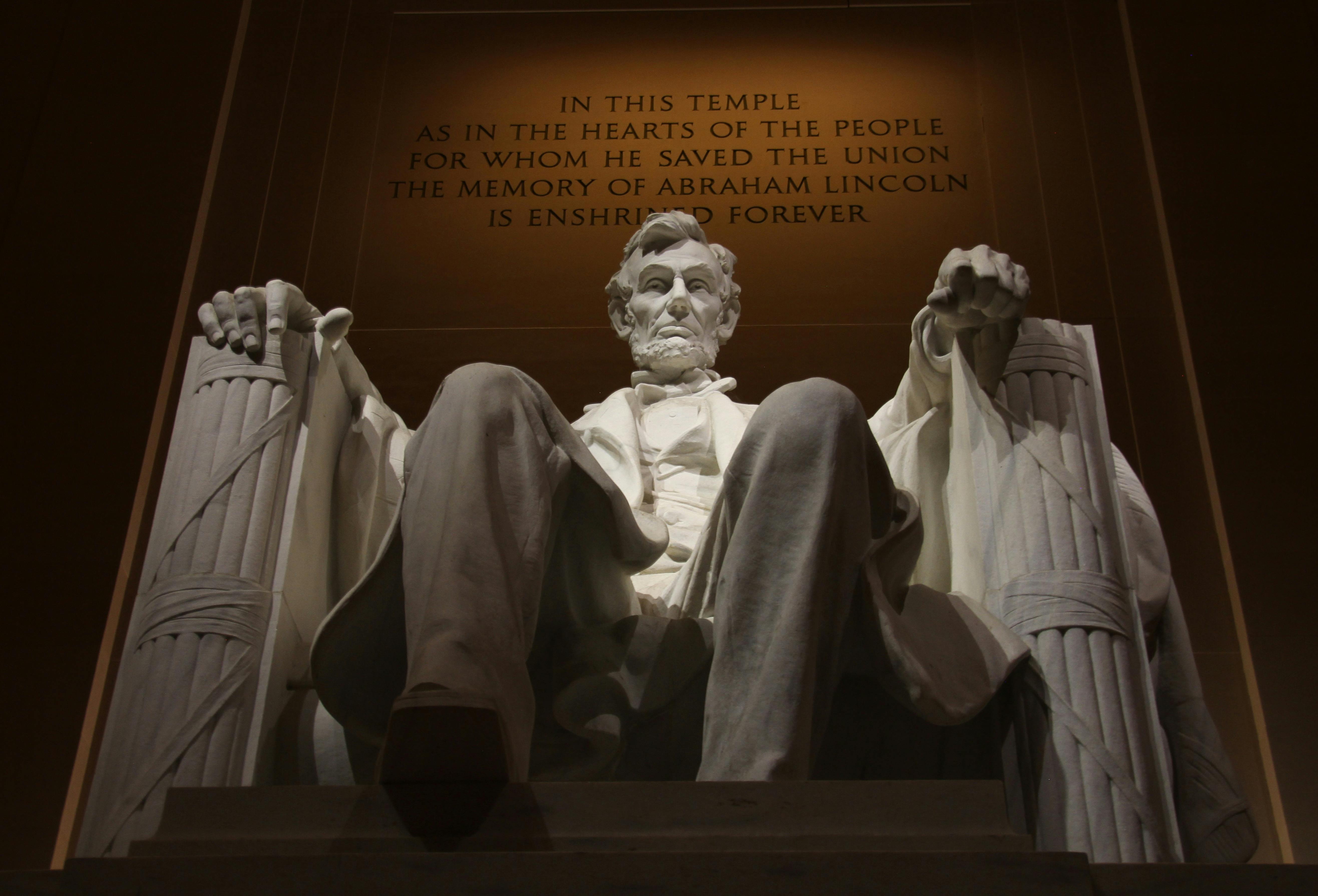
Abraham Lincoln was a president who recognized the importance of repentance. He declared April 30, 1863, as a “day of national humiliation, prayer, and fasting” to remind us, like Jeremiah, that at times we have cause to blush. Lincoln reminded us that our nation has been blessed abundantly, but that we also have strayed at times from the ways of God. We need to set aside an entire day to collectively examine the state of the nation and how God is calling us to mend our ways. He was asking us to think about how we are spending our wealth. How are the least among us being helped or hurt by our policies? Is the tone of our national discourse one of mutual respect for all parties, or is it demeaning to those who disagree with us? Are we caught up in retribution for perceived wrongs or open to forgiveness and reconciliation?
Lincoln carried the burden of a civil war in which so many people were slaughtered by, in his view, fellow citizens. He saw that at the time there was much to be embarrassed and ashamed about as a nation. A day of prayer might be a catalyst for reconciliation and healing. It seems we need a Jeremiah today to ask our leaders and all of us: “Have you forgotten how to blush?” We also need a Lincoln who can lead the way in a process of self-examination to ascertain whether words and actions deflect and blame others or seek common ground in the search for uplifting the wellbeing of all. Jeremiah doesn’t hold back in his criticism, and his words seem to be disturbingly applicable to some of our leaders: “You lie and cheat to make yourselves rich. You are powerful and prosperous, but you refuse to help the poor get the justice they deserve” (5:27-28). Learning how to blush is a necessary step in making America the great city on a hill of morality, justice, and shared prosperity where no one is left out.
 Joseph Stoutzenberger