

A single word can change everything. This reflection explores the quiet power of “we”—in marriage, sainthood, and faith itself. From a personal moment of shared identity to the theology of the Trinity, it reveals how love, compassion, and the Spirit draw us beyond “I” into a deeper, sacred togetherness.
Category Archives: Catholic
Jesus Laughing
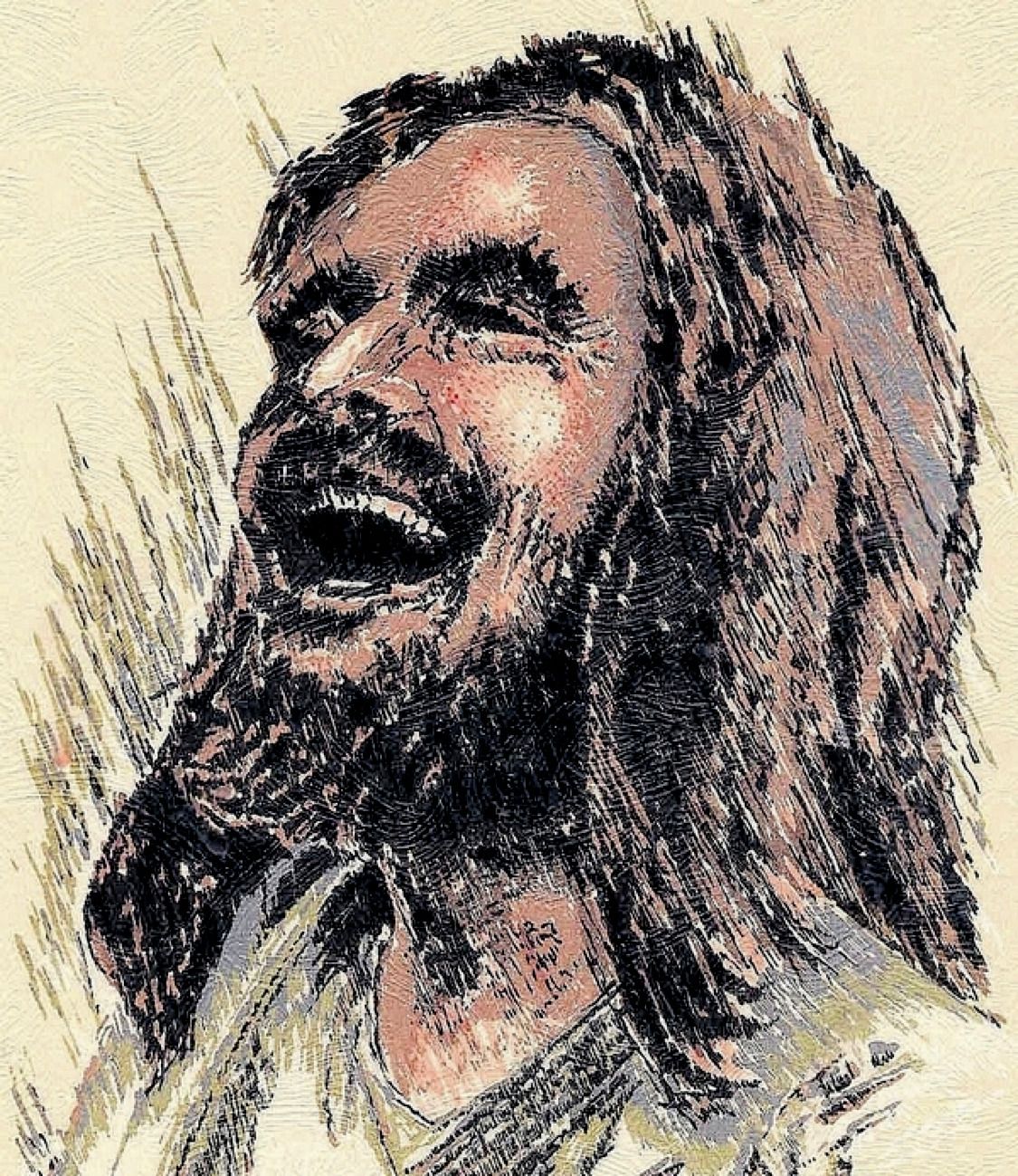
A popular image of a laughing Jesus raises a serious question: did joy and humor have a place in his life and message? By contrasting Christian, Buddhist, Jewish, and Islamic traditions, this reflection explores laughter as a sign of spiritual freedom—and asks whether the gospel truly is good news meant to bring joy.
The Belsnickel

The Belsnickel, a figure from Pennsylvania Dutch tradition, embodies a nuanced view of morality during Christmas, emphasizing actions and consequences. This tradition contrasts with modern interpretations like Elf on the Shelf. Ultimately, these characters encourage self-exploration, fostering hope and the notion that everyone can contribute positively to their communities, reflecting true Christmas values.
Are Saints Human?

Joseph Stoutzenberger reflects on the nature of saints and holiness in Catholicism, emphasizing their human qualities rather than their idealized representations. Using St. Therese of Lisieux as an example, he argues that true saintliness lies in everyday acts of kindness and compassion, highlighting that holiness exists in ordinary life experiences.
Holiday Cheer

The author reflects on Christmas through a Catholic lens, recalling warm childhood memories while emphasizing the holiday’s importance for spiritual reflection and connection. The message of peace and love, embodied in Jesus’ birth, should permeate celebrations. Amid distractions, a meditative mindset can bring joy and reverence to this sacred season.
Simple Gifts

The post reflects on moments of connection and awareness, emphasized by the hospice nurse’s comment on dying individuals experiencing “gifts” of lucidity. It recounts an unexpected encounter with a police chief who offered free pumpkins, celebrating life’s simple pleasures. The author highlights the importance of appreciating these moments, both in life and through faith, as they carry significance beyond death.
Sympathy for the Devil

While listening to the Rolling Stones in his college dorm, the author experiences a flash of insight: that salvation and peace do not come from one’s own power, but from divine love and grace. Drawing on wisdom from Buddhism, Islam, and Christianity, he reflects on how true faith means surrendering pride and trusting in a love greater than ourselves—a love that forgives, redeems, and conquers even the darkest evil.
God Paints the Leaves

The author reflects on a moment with his grandson Brendan, who connects theology and nature through a simple observation about autumn leaves. This leads to a discussion on how religions express profound truths through stories and poetry, emphasizing the importance of faith and gratitude over scientific explanations.
A Disarming Presence

In Chicago, a Catholic procession attempted to pray and distribute communion outside an ICE detention center, highlighting the compassion towards detainees and the disheartening response from authorities. The act reflects a broader Christian message of love and inclusion, emphasizing humane treatment for individuals regardless of their legal status.
When Bible Reading Becomes Toxic

by Joseph Stoutzenberger A few thoughtful, zealous young men I know have taken up reading the bible regularly. They carry a copy of the book with them, attend Sunday services at a bible-centered church, and meet with other young people once a week to discuss bible passages. As a Christian myself, why am I uneasyContinue reading “When Bible Reading Becomes Toxic”
 Joseph Stoutzenberger