

The author reflects on a personal experience in a gay bar, paralleling feelings of discomfort with societal perceptions of difference, particularly for sexual minorities and left-handed individuals. Highlighting Pope Francis’ supportive stance, the piece advocates for acceptance and celebration of diverse identities, urging society and the Church to embrace rather than marginalize differences.
Category Archives: Christian Politics
What’s Missing without Women Priests?

by Joseph Stoutzenberger Talking about confession with a Catholic woman recently, she mentioned that she hadn’t been to confession to a priest in quite a while. She then added, “If there were women priests, I would go to confession in a hot second.” She talked about going to confession a number of years ago duringContinue reading “What’s Missing without Women Priests?”
Strangers or Guests?

The text explores the significance of hospitality in ancient Greek and Hebrew cultures, contrasting it with contemporary American attitudes toward immigration and xenophobia. It highlights the biblical call for compassion towards strangers and emphasizes the contributions of immigrants to American society, urging a more loving response to migrants as a moral imperative.
Consolation vs. Social Justice

Joseph Stoutzenberger reflects on his childhood Catholic faith, filled with rituals and prayers like those to St. Francis and St. Jude. He contrasts this piety with his current struggles to connect with spirituality as an adult, despite recognizing the enduring devotion in others. He finds solace in sacred spaces, valuing prayer’s nuanced presence in life.
Are Diversity, Equity, and Inclusion Dirty Words?

Joseph Stoutzenberger reflects on the significance of diversity, equity, and inclusion (DEI) in education. He contrasts past efforts to promote DEI with contemporary opposition that argues it’s detrimental. Stoutzenberger highlights the importance of diverse perspectives in enriching education and emphasizes that addressing DEI can foster unity without sacrifice to fairness.
Rest Stop Wisdom

Joseph Stoutzenberger reflects on the importance of brief, encouraging messages found in public spaces, like “You Are Loved.” Highlighting narratives of journeys in literature, he emphasizes the need for compassion and connection among travelers in life. Ultimately, the message “You are loved” serves as a vital reminder for all.
Is Non-Violence Dead?
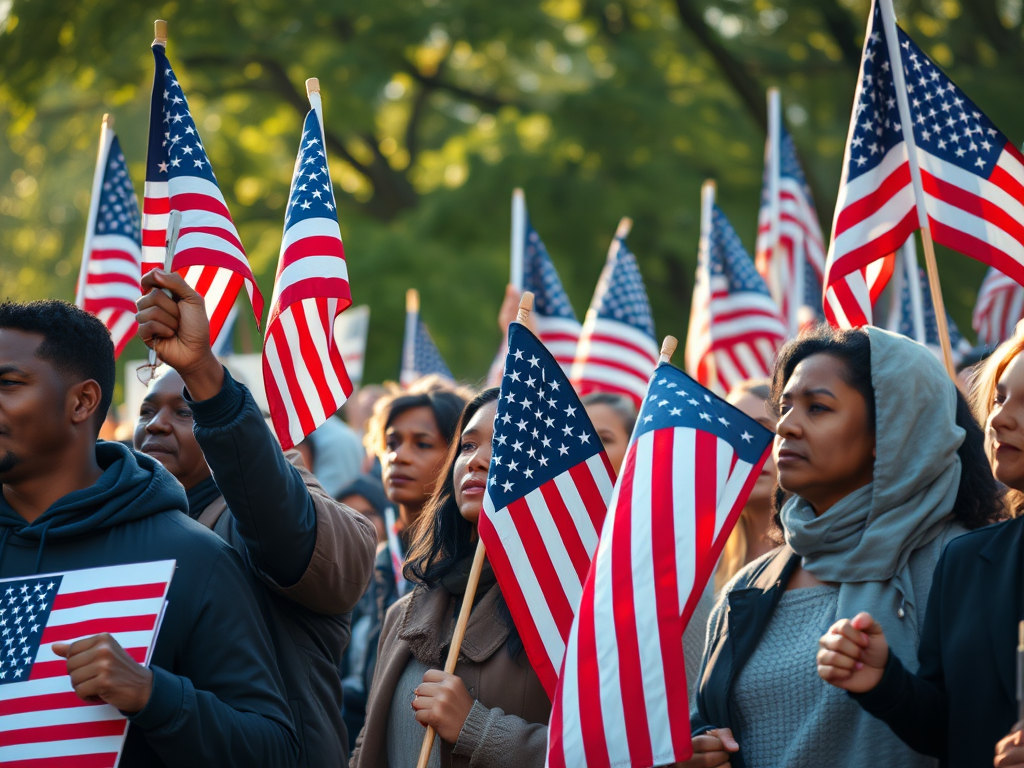
Joseph Stoutzenberger reflects on the contrast between hopes for non-violence during the “dawning of the age of Aquarius” and the ongoing global conflicts. He cites Gandhi and Jesus as proponents of non-violent resistance, highlighting historical and contemporary examples of conflict resolution through empathy and dialogue, emphasizing humanity over division.
Thomas the Pray-er
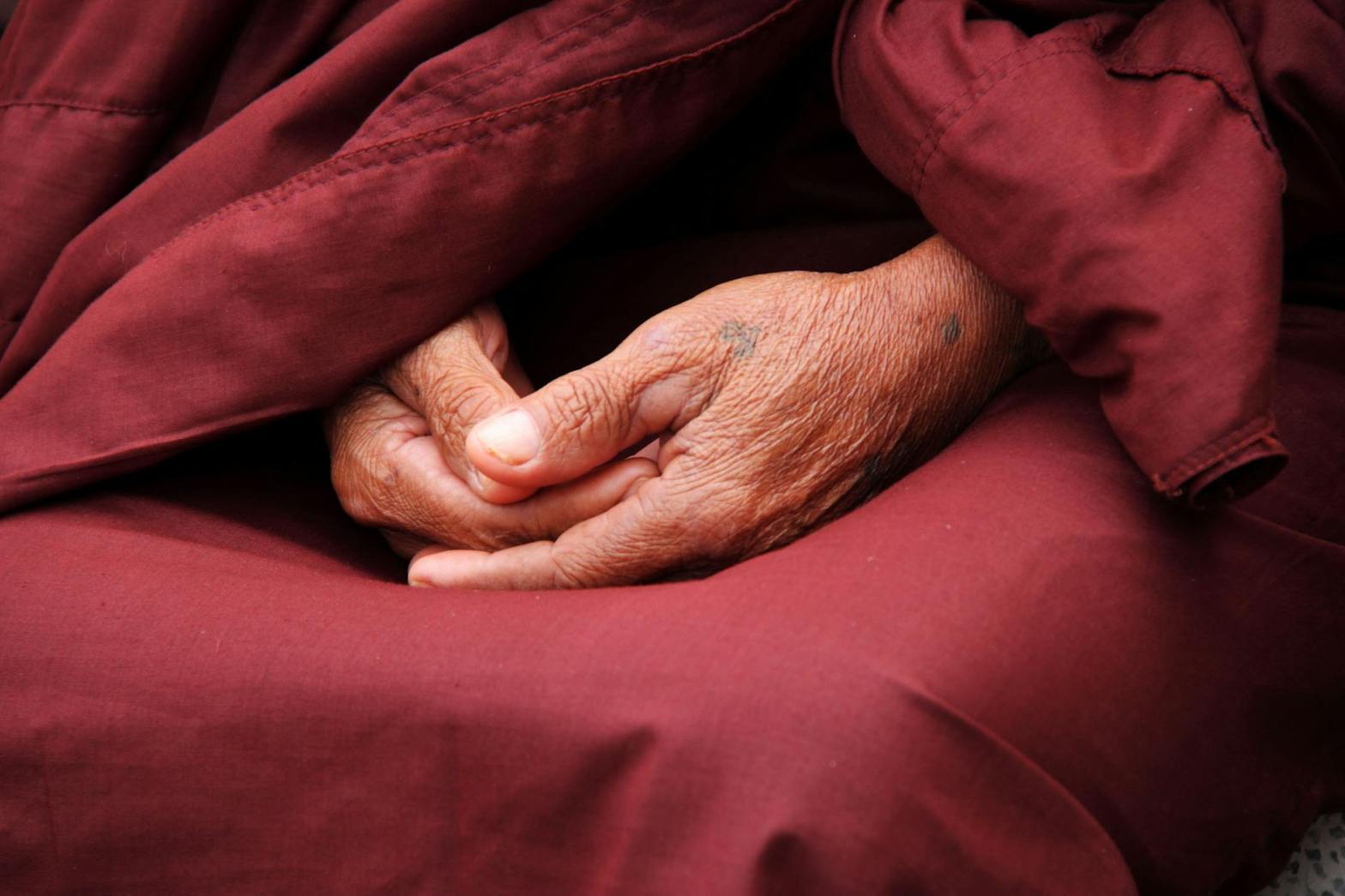
Joseph Stoutzenberger reflects on his childhood Catholic faith, filled with rituals and prayers like those to St. Francis and St. Jude. He contrasts this piety with his current struggles to connect with spirituality as an adult, despite recognizing the enduring devotion in others. He finds solace in sacred spaces, valuing prayer’s nuanced presence in life.
What Became of Sin?

The Vatican Council II did not directly address sin, yet it significantly altered Catholic discourse around it. Previously centered on prohibitions, the conversation has shifted to positive actions and social justice. Many Catholics now seek to understand sin through their contributions to community well-being, reflecting a broader, more compassionate perspective on faith and morality.
Married Priests?

In a recent seminary reunion, attendees reflected on their paths, with some becoming priests and many marrying and engaging in social service. The discussion raised questions about the Catholic Church’s celibacy requirement and the potential return to ordaining married priests, particularly in light of ongoing priest shortages and Vatican II’s impact on church practices.
 Joseph Stoutzenberger