

The blog reflects on differing perspectives as Eucharistic ministers, emphasizing the importance of recognizing both the divine and human aspects of Christ in Catholicism. It highlights the evolution of worship post-Vatican II towards a “both-and” approach, wherein both the sacrificial and communal meanings of the Mass coexist, enriching the faith experience.
Category Archives: Christian Politics
Prophetic Voices from the Periphery

Joseph Stoutzenberger shares his experience of feeling like an outsider during a New Year’s Eve party, highlighting loneliness that many face. He connects this to Pope Francis’s sensitivity towards marginalized individuals, including women and LGBTQ+ communities. Francis’s inclusive actions reflect his understanding of Jesus’s embrace of the outcast and the importance of reaching those on the periphery.
A More Inclusive Church: Married and Unmarried Catholics

The Catholic Church views family as fundamental, yet a 2015 Pew study revealed only 51% of U.S. Catholics are married. With changing relationship dynamics, including cohabitation and same-sex couples, the Church faces challenges in inclusion. It must adapt to serve all Catholics, ensuring diverse expressions of holiness are recognized within the community.
Confession—a Sacrament of Consolation?
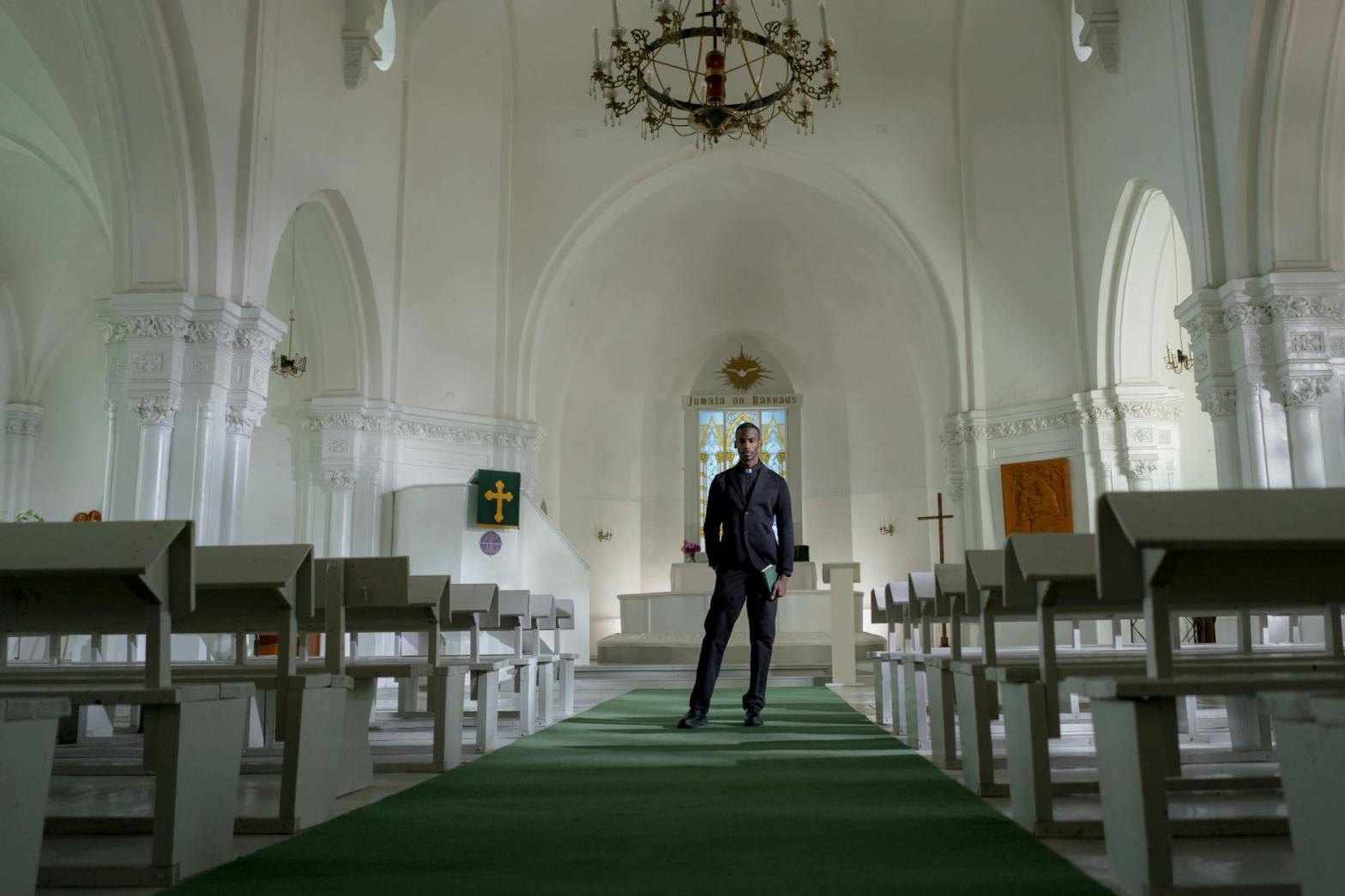
The Basilica Shrine of Our Lady of the Miraculous Medal in Philadelphia hosts a weekly novena service and Mass, attracting many seeking intercession from Mary. Confession plays a key role, offering consolation and a personal connection to God. The sacrament’s modern emphasis on reconciliation aims to heal and renew relationships rather than impose guilt.
Join the Circus

by Joseph Stoutzenberger When I began the graduate program in English at Temple University, I took a course on medieval English literature. The professor was nearing retirement and perhaps nearing senility as well. He brought with him to class a cassette tape player and played classical music while he lectured for an hour and aContinue reading “Join the Circus”
How Can We Find the Holy in a Secular Age?

The city of Ephesus hosts a chapel believed to mark the home of Mary, where pilgrimage offers a chance to connect with the holy. The author reflects on modern secularism’s impact on reverence, contrasting tourists with pilgrims. Reclaiming a sense of the sacred requires wonder and contemplation in daily life.
The Gospels: Myth or Parable?

Joseph Stoutzenberger reflects on the evolving understanding of myths in teaching since the 1970s. He contrasts myths with parables, highlighting how religious stories, particularly in Christianity, challenge societal norms. Stoutzenberger argues that Jesus’s life embodies parabolic themes, subverting common beliefs about power, righteousness, and the nature of God’s love.
Christ in a Keffiyeh
I was in Jerusalem seventeen years ago. A friend and I went looking for an ATM to withdraw money. Three blocks from our hotel, we came across a gas station where a young man was filling up his car. We asked him if he knew where we could find an ATM, and he told usContinue reading “Christ in a Keffiyeh”
How Do Catholics Read the Bible?
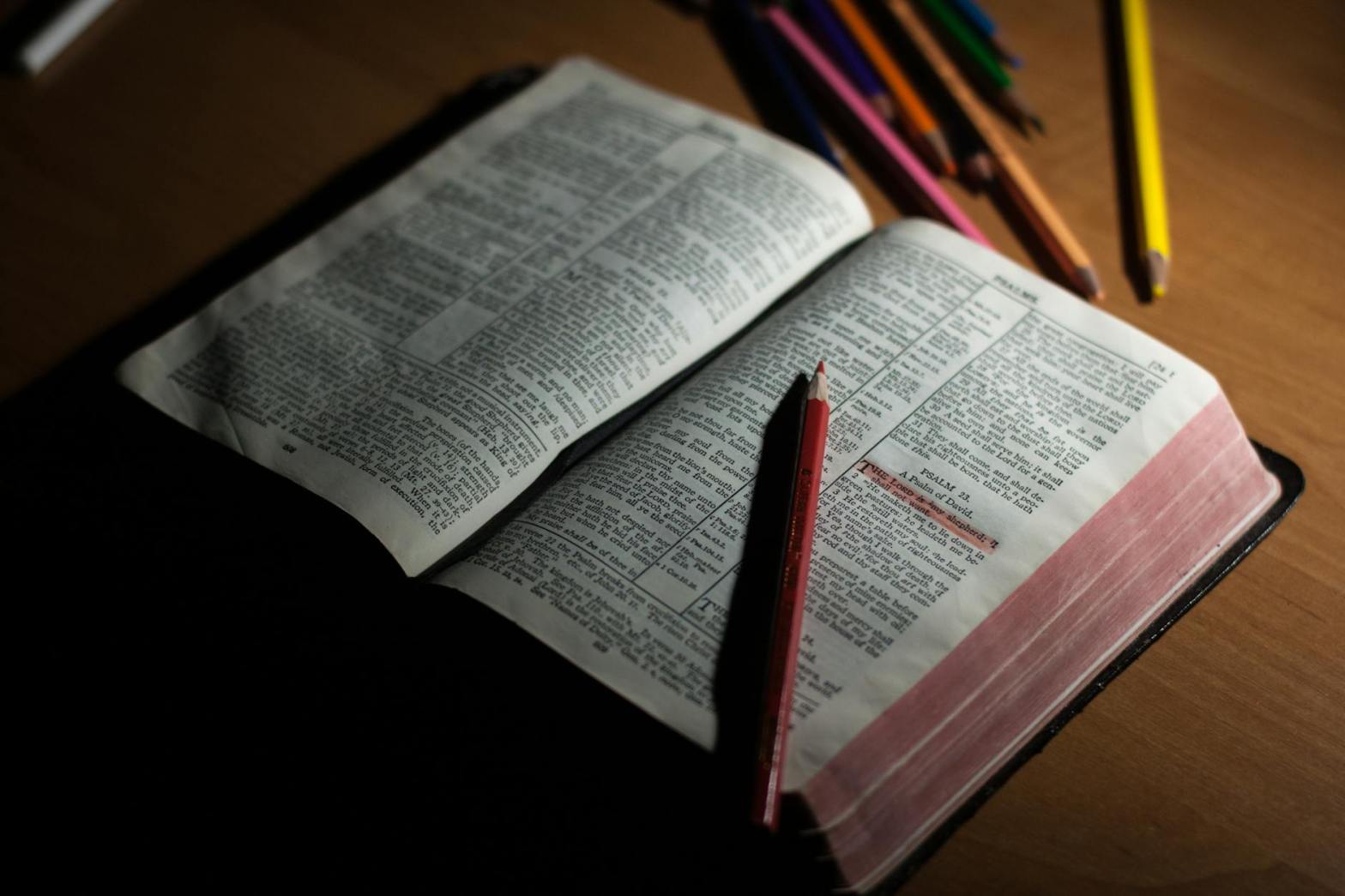
The author reflects on his Catholic education, noting that he rarely engaged with the Bible directly. He discusses the historical context of Bible reading, the importance of interpretation within Catholicism, and the challenge of understanding scripture amid differing religious views. Ultimately, he emphasizes the need for careful analysis when interpreting sacred texts.
Is Liberation Still Central to the Christian Message?

During the 1970s there was much talk of “liberation” among religions, especially in Catholicism. Gustavo Gutierrez and other Latin American theologians laid out a biblical and theological foundation for liberation as an essential element of the Christian message.
 Joseph Stoutzenberger