

While listening to the Rolling Stones in his college dorm, the author experiences a flash of insight: that salvation and peace do not come from one’s own power, but from divine love and grace. Drawing on wisdom from Buddhism, Islam, and Christianity, he reflects on how true faith means surrendering pride and trusting in a love greater than ourselves—a love that forgives, redeems, and conquers even the darkest evil.
Category Archives: Education
God Paints the Leaves

The author reflects on a moment with his grandson Brendan, who connects theology and nature through a simple observation about autumn leaves. This leads to a discussion on how religions express profound truths through stories and poetry, emphasizing the importance of faith and gratitude over scientific explanations.
What Does It Mean to Believe in Jesus?

by Joseph Stoutzenberger So many of my friends were brought up Catholic or some other religion but now have no time for it. If anything, they look upon religions in a negative light and no longer consider themselves Christian. My Jewish friends are for the most part “culturally Jewish.” Their identity as Jews is linkedContinue reading “What Does It Mean to Believe in Jesus?”
What Is the Mystical Body?

The author reflects on attending Mass in solidarity with their daughter-in-law undergoing surgery. They explore the concept of the “mystical body of Christ,” emphasizing the deep connection shared among believers and all creation. Through liturgy, they experience unity transcending physical distance, embodying Pope Pius XII’s vision of the Church’s inclusivity.
A Culture of Life
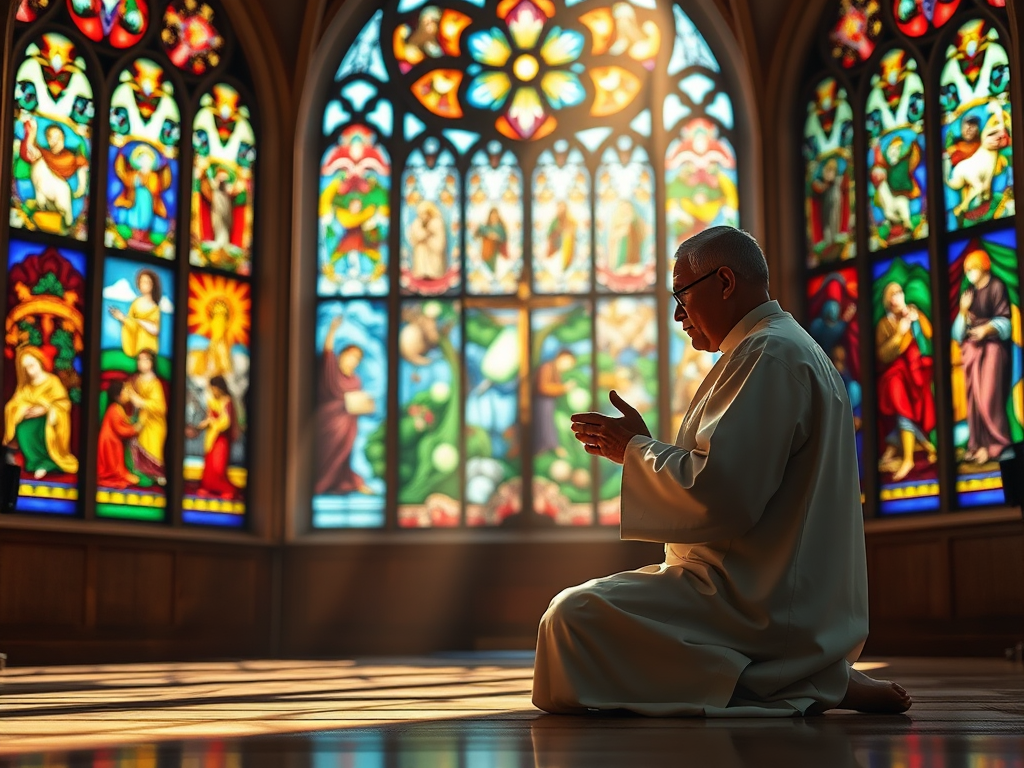
In the mid-1970s, U.S. Catholic bishops proposed teaching a “Respect Life” course in high schools, emphasizing a broad, interconnected approach to life issues. Cardinal Bernardin and Pope John Paul II advocated for a culture valuing all life stages, opposing a limited focus on certain issues like abortion. Thomas Berry calls for a transformative “new story” that prioritizes life’s interconnectedness.
Thomas the Pray-er
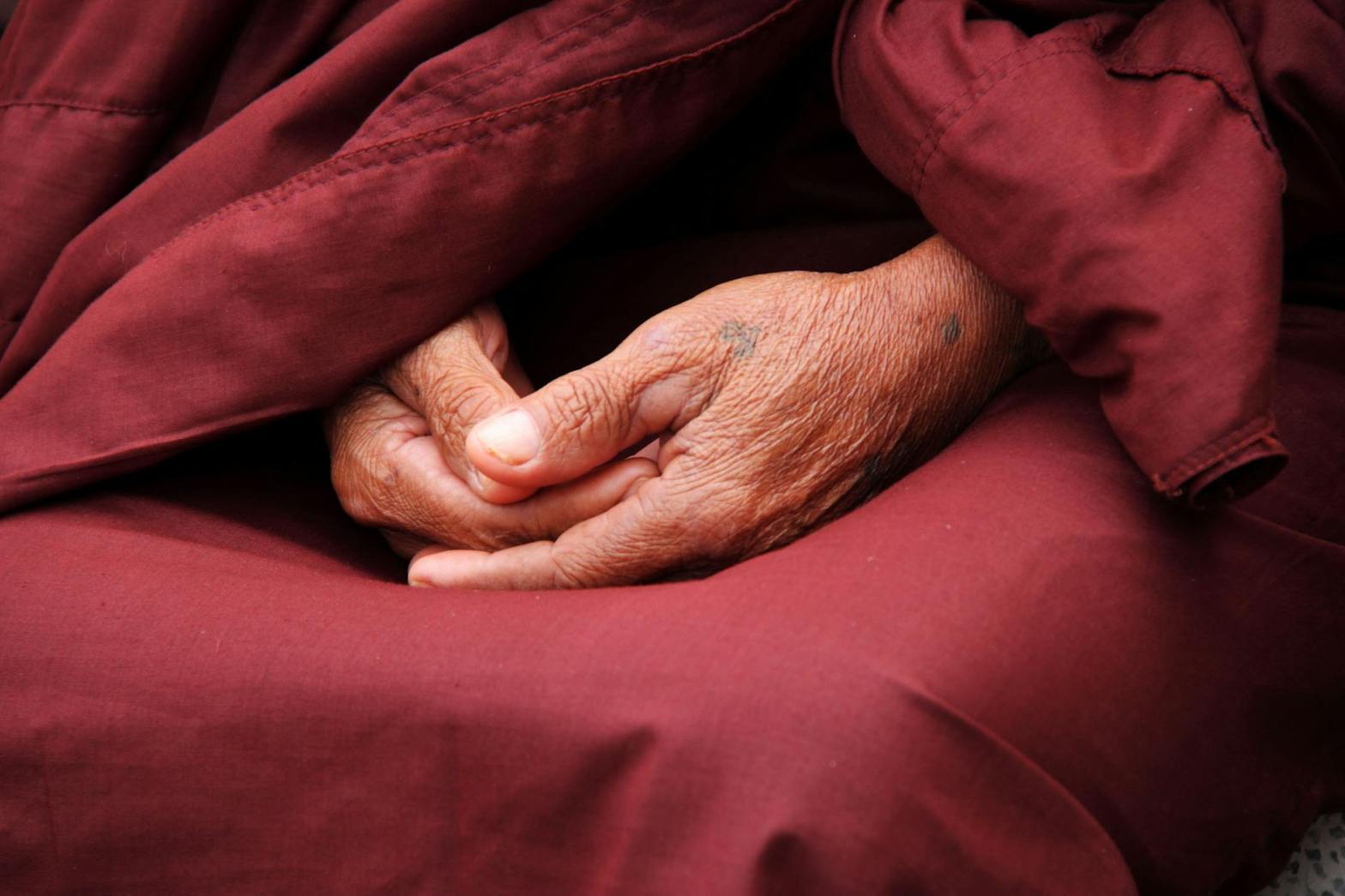
Joseph Stoutzenberger reflects on his childhood Catholic faith, filled with rituals and prayers like those to St. Francis and St. Jude. He contrasts this piety with his current struggles to connect with spirituality as an adult, despite recognizing the enduring devotion in others. He finds solace in sacred spaces, valuing prayer’s nuanced presence in life.
What Became of Sin?

The Vatican Council II did not directly address sin, yet it significantly altered Catholic discourse around it. Previously centered on prohibitions, the conversation has shifted to positive actions and social justice. Many Catholics now seek to understand sin through their contributions to community well-being, reflecting a broader, more compassionate perspective on faith and morality.
Married Priests?

In a recent seminary reunion, attendees reflected on their paths, with some becoming priests and many marrying and engaging in social service. The discussion raised questions about the Catholic Church’s celibacy requirement and the potential return to ordaining married priests, particularly in light of ongoing priest shortages and Vatican II’s impact on church practices.
Table or Altar: The Both-And Catholic Worldview

The blog reflects on differing perspectives as Eucharistic ministers, emphasizing the importance of recognizing both the divine and human aspects of Christ in Catholicism. It highlights the evolution of worship post-Vatican II towards a “both-and” approach, wherein both the sacrificial and communal meanings of the Mass coexist, enriching the faith experience.
Prophetic Voices from the Periphery

Joseph Stoutzenberger shares his experience of feeling like an outsider during a New Year’s Eve party, highlighting loneliness that many face. He connects this to Pope Francis’s sensitivity towards marginalized individuals, including women and LGBTQ+ communities. Francis’s inclusive actions reflect his understanding of Jesus’s embrace of the outcast and the importance of reaching those on the periphery.
 Joseph Stoutzenberger