

In Chicago, a Catholic procession attempted to pray and distribute communion outside an ICE detention center, highlighting the compassion towards detainees and the disheartening response from authorities. The act reflects a broader Christian message of love and inclusion, emphasizing humane treatment for individuals regardless of their legal status.
Category Archives: Equality
What’s Missing without Women Priests?

by Joseph Stoutzenberger Talking about confession with a Catholic woman recently, she mentioned that she hadn’t been to confession to a priest in quite a while. She then added, “If there were women priests, I would go to confession in a hot second.” She talked about going to confession a number of years ago duringContinue reading “What’s Missing without Women Priests?”
Strangers or Guests?

The text explores the significance of hospitality in ancient Greek and Hebrew cultures, contrasting it with contemporary American attitudes toward immigration and xenophobia. It highlights the biblical call for compassion towards strangers and emphasizes the contributions of immigrants to American society, urging a more loving response to migrants as a moral imperative.
Consolation vs. Social Justice

Joseph Stoutzenberger reflects on his childhood Catholic faith, filled with rituals and prayers like those to St. Francis and St. Jude. He contrasts this piety with his current struggles to connect with spirituality as an adult, despite recognizing the enduring devotion in others. He finds solace in sacred spaces, valuing prayer’s nuanced presence in life.
Are Diversity, Equity, and Inclusion Dirty Words?

Joseph Stoutzenberger reflects on the significance of diversity, equity, and inclusion (DEI) in education. He contrasts past efforts to promote DEI with contemporary opposition that argues it’s detrimental. Stoutzenberger highlights the importance of diverse perspectives in enriching education and emphasizes that addressing DEI can foster unity without sacrifice to fairness.
Prophetic Voices from the Periphery

Joseph Stoutzenberger shares his experience of feeling like an outsider during a New Year’s Eve party, highlighting loneliness that many face. He connects this to Pope Francis’s sensitivity towards marginalized individuals, including women and LGBTQ+ communities. Francis’s inclusive actions reflect his understanding of Jesus’s embrace of the outcast and the importance of reaching those on the periphery.
How Can We Find the Holy in a Secular Age?

The city of Ephesus hosts a chapel believed to mark the home of Mary, where pilgrimage offers a chance to connect with the holy. The author reflects on modern secularism’s impact on reverence, contrasting tourists with pilgrims. Reclaiming a sense of the sacred requires wonder and contemplation in daily life.
Christ in a Keffiyeh
I was in Jerusalem seventeen years ago. A friend and I went looking for an ATM to withdraw money. Three blocks from our hotel, we came across a gas station where a young man was filling up his car. We asked him if he knew where we could find an ATM, and he told usContinue reading “Christ in a Keffiyeh”
How Do Catholics Read the Bible?
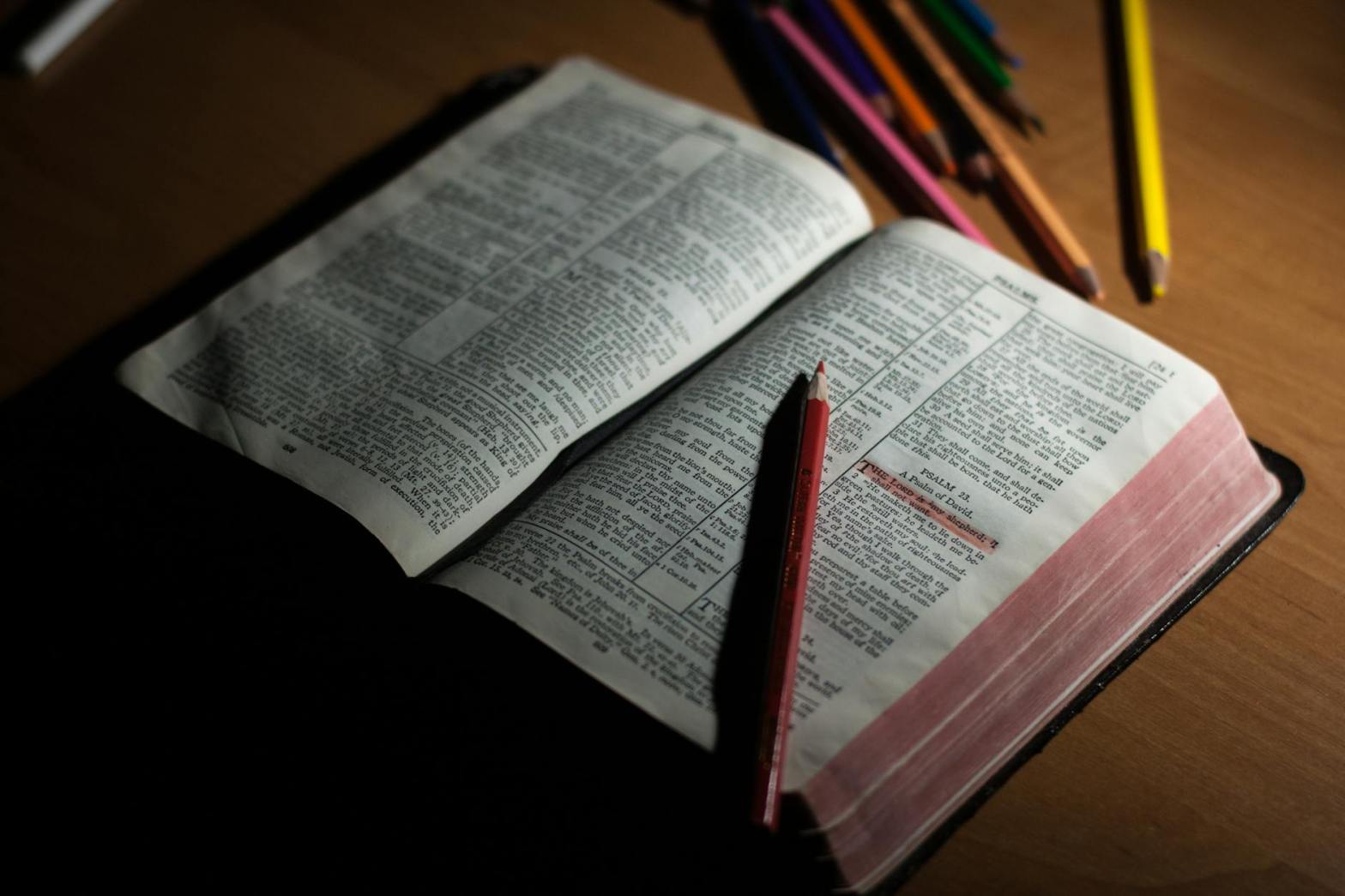
The author reflects on his Catholic education, noting that he rarely engaged with the Bible directly. He discusses the historical context of Bible reading, the importance of interpretation within Catholicism, and the challenge of understanding scripture amid differing religious views. Ultimately, he emphasizes the need for careful analysis when interpreting sacred texts.
When the Saints Go Marching In

Joseph Stoutzenberger reflects on the negative focus of local news, contrasting it with the myriad of kindnesses often overlooked. He highlights the virtues celebrated in Catholicism, emphasizing love, kindness, and patience. Despite negative discourse among some Catholics, he advocates for embodying the fruits of the Holy Spirit to foster compassion in communities.
 Joseph Stoutzenberger