
by Joseph Stoutzenberger
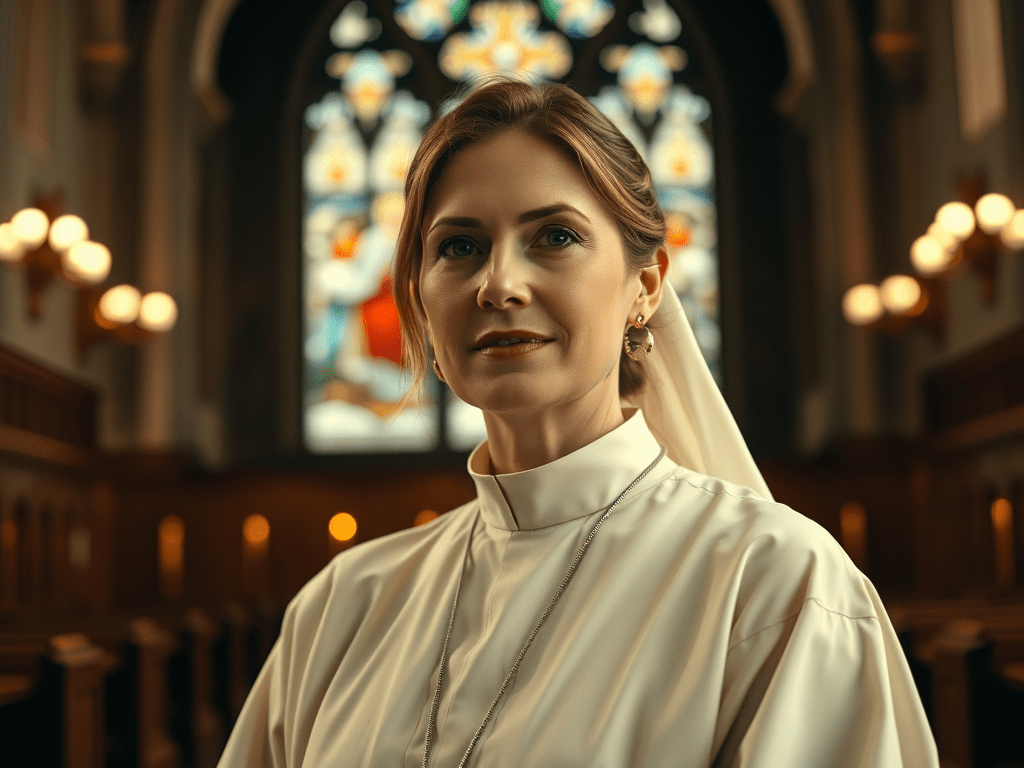
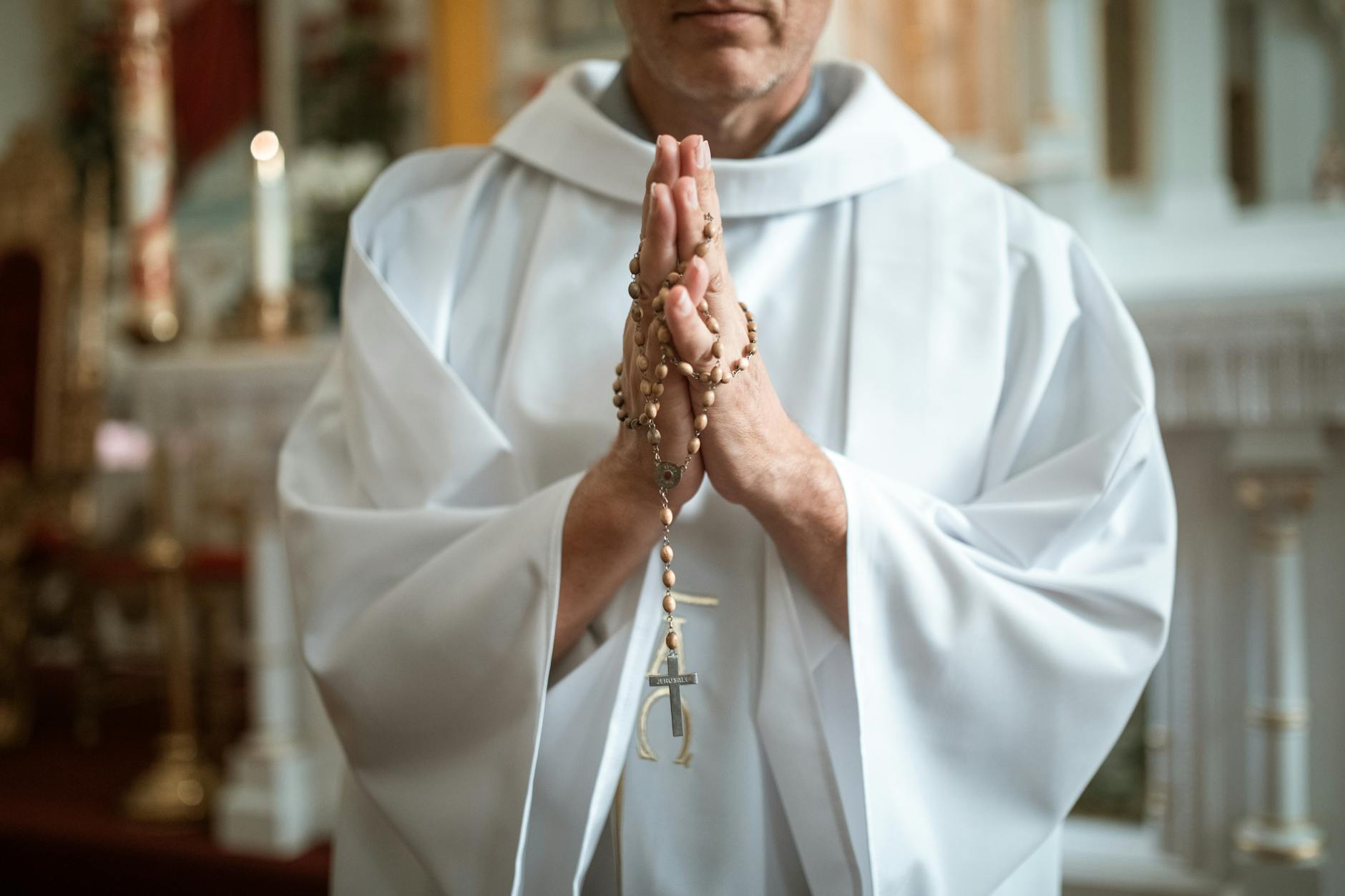
Talking about confession with a Catholic woman recently, she mentioned that she hadn’t been to confession to a priest in quite a while. She then added, “If there were women priests, I would go to confession in a hot second.” She talked about going to confession a number of years ago during which she told the priest about some issues in her marriage. For one, she carried a burden of guilt over the use of artificial birth control. She discovered that this celibate man was clueless about her concerns. She now has women friends whom she confides in and with whom she can share intimate conversation. The Sacrament of Penance is more than a chat among friends and reassurances from soul mates. The priest in confession represents the God of forgiveness and love that we can celebrate in this formal setting.
However, the exchange with my woman friend led me to wonder: What is missing in Catholicism because there are no women priests? If women are excluded from being formal representatives of God’s love and forgiveness, is that a lack within the sacramental structure of the church? First, some history. For its initial four hundred years or so Christians did not “go to confession,” telling their sins to a priest-confessor. The practice began as part of monastic discipline in the Western church by Irish monks and in the East at about the same time in monasteries there. The practice spread from monasteries to non-monks, so priests started hearing the confessions of everyday Christians. Out of this informal practice developed the formal practice of private confession, recognized as an official sacrament at the Council of Trent in the sixteenth century. In the Middle Ages, church architecture began to include a screened setting so that women could confess to a priest on matters that might be embarrassing to the woman or her male confessor. Private confession behind a screen became both commonplace and, in some situations, required as a part of Catholic spiritual life.
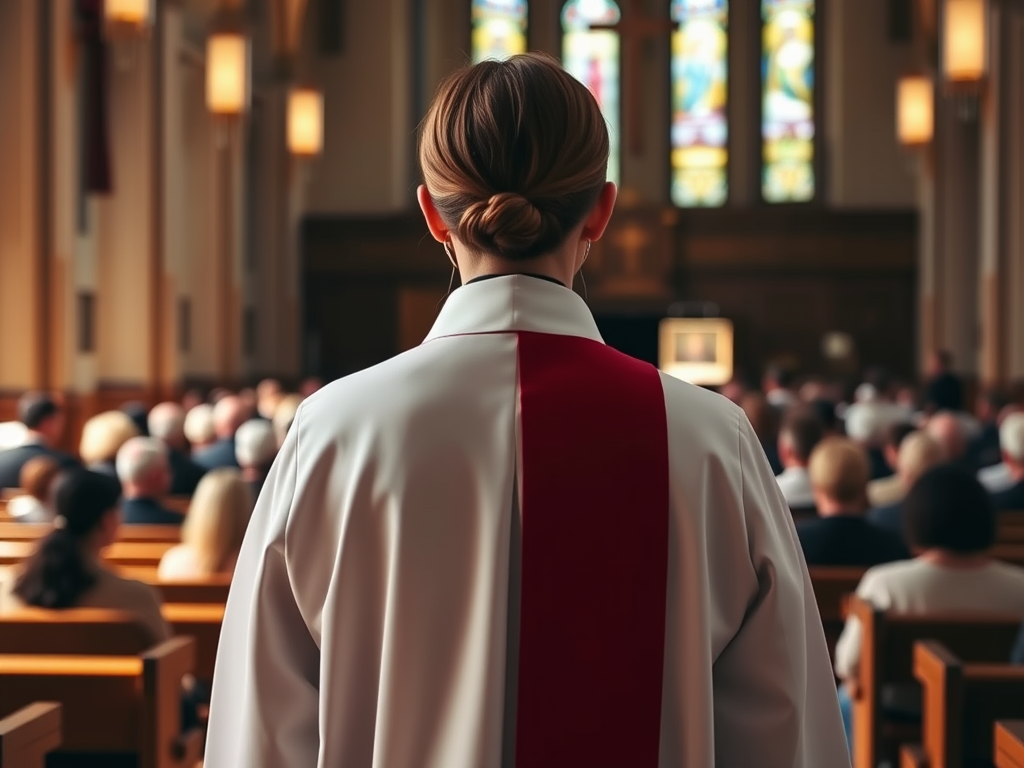
On the matter of women priests, in the 1970s a number of prominent scripture scholars concluded that there is nothing in the bible that would preclude women from priesthood. The Episcopal Church officially recognized the practice in 1976, and most other Protestant churches have women ministers as well. The Catholic Church restricts priestly ordination to men, and in the Western church almost exclusively to celibate men. In the 1990s, Pope John Paul II said that not ordaining women is based on scripture and therefore he and the church could not change that practice.
In Catholicism, priesthood is not defined just by its function—officiating at liturgy and hearing confessions. A priest, like all sacraments, represents Christ. How is the loving God embodied in Christ present today? Jesus poured out his life for others. If you want to see a nourishing, life-giving embodiment of a loving God today, picture a mother breast-feeding her infant. Jesus said that he would be present “in the breaking of the bread.” A woman’s place may not be in the kitchen, but God’s place is. Today, both women and men serve in the godly work of serving others at a meal. When a child goes astray, a forgiving parent—mother or father, embodies the God that Jesus told us about in his Good Samaritan parable. Jesus the teacher lives on through women and men teachers. Actually, today in the US, eighty percent of elementary school teachers are women. Jesus was a healer. The city of St. Louis still honors the heroic Catholic sisters who played a vital role in caring for the sick during the devastating flu epidemic of 1918. Most people avoided the sick, but not so these heroic women. The world-famous Mayo Clinic in Minnesota was inspired by and sweated into existence by Catholic nuns. Many hospitals, clinics, and shelters were begun by sisters, carrying on the work of Jesus the healer, and the majority of nurses and healthcare workers are still women.
You get my point. A priest is called upon to be an alter Christus, another Christ. Women as well as men fulfill that role in an informal fashion. The church is clearly more Christlike through the contributions women make as healers, teachers, cooks and food servers, loving parents and friends. Wouldn’t the church and its people be enriched further if the sacramental power and aura that surrounds Catholic priesthood were extended to women as well as men?















 Joseph Stoutzenberger