

Joseph Stoutzenberger reflects on the significance of diversity, equity, and inclusion (DEI) in education. He contrasts past efforts to promote DEI with contemporary opposition that argues it’s detrimental. Stoutzenberger highlights the importance of diverse perspectives in enriching education and emphasizes that addressing DEI can foster unity without sacrifice to fairness.
Tag Archives: Compassion
Rest Stop Wisdom

Joseph Stoutzenberger reflects on the importance of brief, encouraging messages found in public spaces, like “You Are Loved.” Highlighting narratives of journeys in literature, he emphasizes the need for compassion and connection among travelers in life. Ultimately, the message “You are loved” serves as a vital reminder for all.
Is Non-Violence Dead?
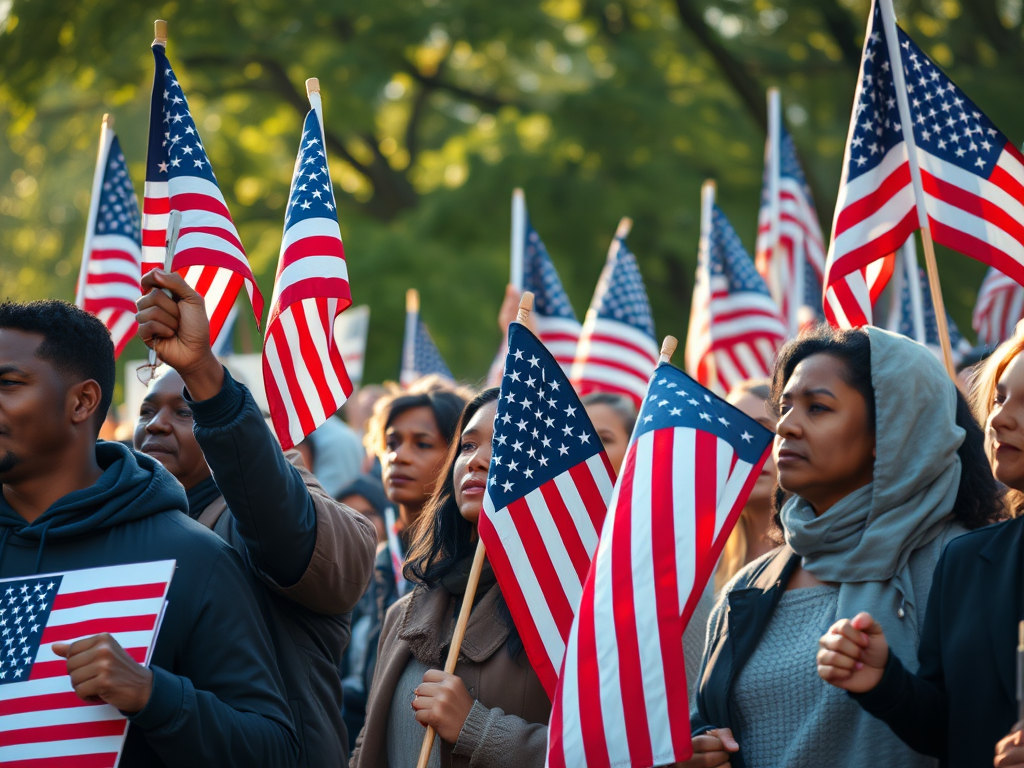
Joseph Stoutzenberger reflects on the contrast between hopes for non-violence during the “dawning of the age of Aquarius” and the ongoing global conflicts. He cites Gandhi and Jesus as proponents of non-violent resistance, highlighting historical and contemporary examples of conflict resolution through empathy and dialogue, emphasizing humanity over division.
Thomas the Pray-er
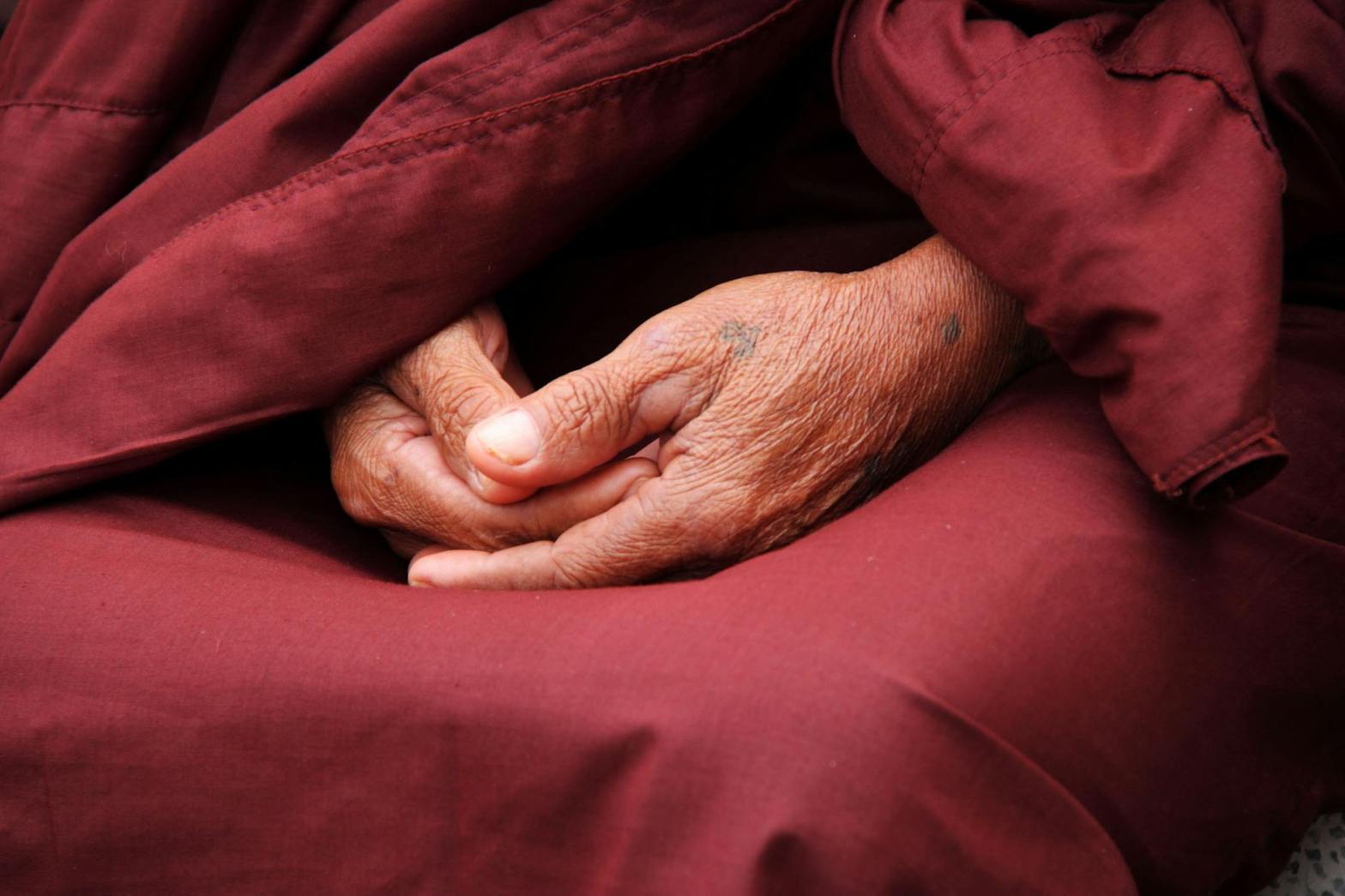
Joseph Stoutzenberger reflects on his childhood Catholic faith, filled with rituals and prayers like those to St. Francis and St. Jude. He contrasts this piety with his current struggles to connect with spirituality as an adult, despite recognizing the enduring devotion in others. He finds solace in sacred spaces, valuing prayer’s nuanced presence in life.
Prophetic Voices from the Periphery

Joseph Stoutzenberger shares his experience of feeling like an outsider during a New Year’s Eve party, highlighting loneliness that many face. He connects this to Pope Francis’s sensitivity towards marginalized individuals, including women and LGBTQ+ communities. Francis’s inclusive actions reflect his understanding of Jesus’s embrace of the outcast and the importance of reaching those on the periphery.
A More Inclusive Church: Married and Unmarried Catholics

The Catholic Church views family as fundamental, yet a 2015 Pew study revealed only 51% of U.S. Catholics are married. With changing relationship dynamics, including cohabitation and same-sex couples, the Church faces challenges in inclusion. It must adapt to serve all Catholics, ensuring diverse expressions of holiness are recognized within the community.
Join the Circus

by Joseph Stoutzenberger When I began the graduate program in English at Temple University, I took a course on medieval English literature. The professor was nearing retirement and perhaps nearing senility as well. He brought with him to class a cassette tape player and played classical music while he lectured for an hour and aContinue reading “Join the Circus”
How Can We Find the Holy in a Secular Age?

The city of Ephesus hosts a chapel believed to mark the home of Mary, where pilgrimage offers a chance to connect with the holy. The author reflects on modern secularism’s impact on reverence, contrasting tourists with pilgrims. Reclaiming a sense of the sacred requires wonder and contemplation in daily life.
How Do Catholics Read the Bible?

The author reflects on his Catholic education, noting that he rarely engaged with the Bible directly. He discusses the historical context of Bible reading, the importance of interpretation within Catholicism, and the challenge of understanding scripture amid differing religious views. Ultimately, he emphasizes the need for careful analysis when interpreting sacred texts.
Is Liberation Still Central to the Christian Message?

During the 1970s there was much talk of “liberation” among religions, especially in Catholicism. Gustavo Gutierrez and other Latin American theologians laid out a biblical and theological foundation for liberation as an essential element of the Christian message.
 Joseph Stoutzenberger