
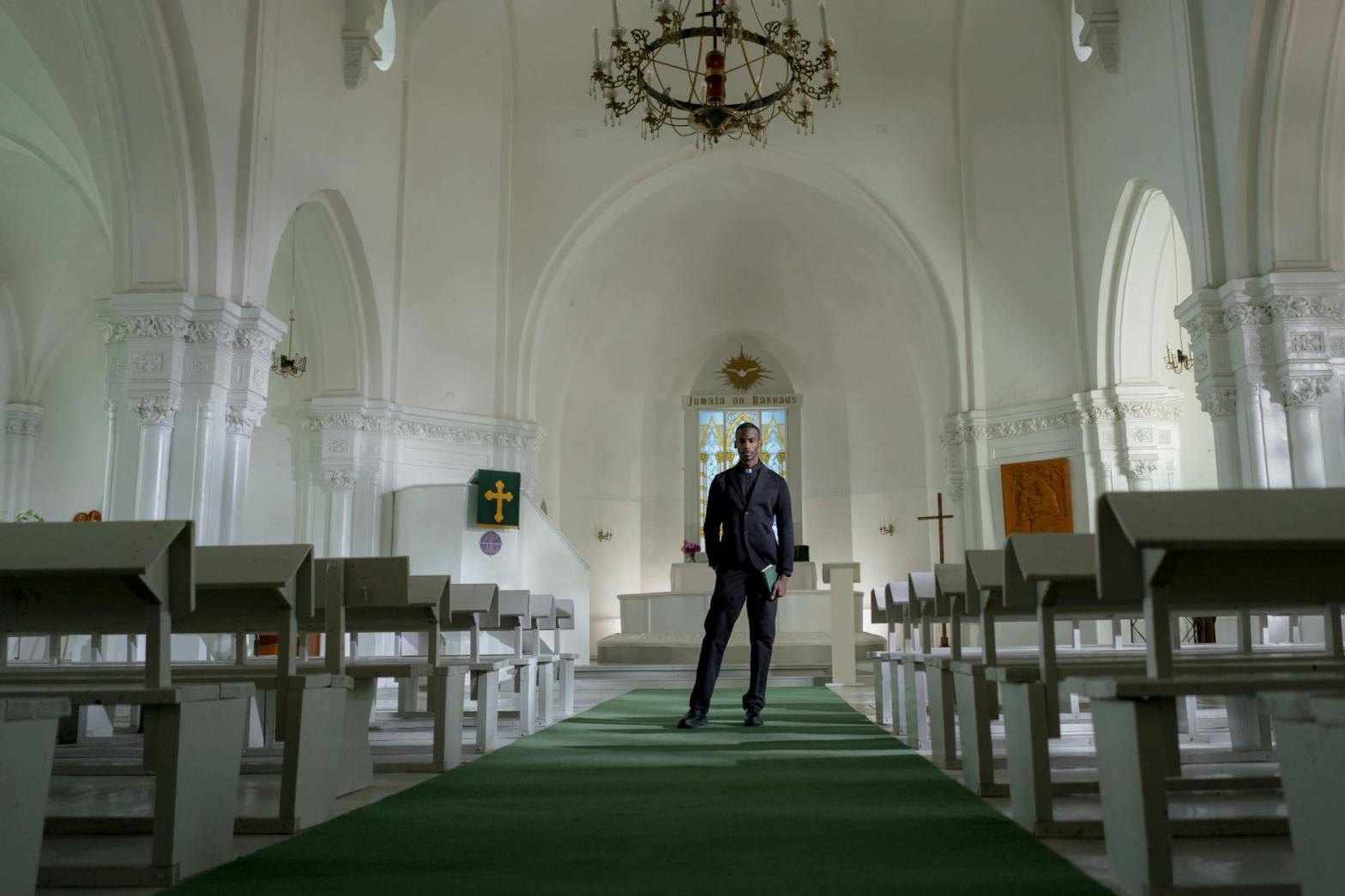
The Basilica Shrine of Our Lady of the Miraculous Medal in Philadelphia hosts a weekly novena service and Mass, attracting many seeking intercession from Mary. Confession plays a key role, offering consolation and a personal connection to God. The sacrament’s modern emphasis on reconciliation aims to heal and renew relationships rather than impose guilt.
Tag Archives: Moral Theory
Join the Circus

by Joseph Stoutzenberger When I began the graduate program in English at Temple University, I took a course on medieval English literature. The professor was nearing retirement and perhaps nearing senility as well. He brought with him to class a cassette tape player and played classical music while he lectured for an hour and aContinue reading “Join the Circus”
How Can We Find the Holy in a Secular Age?

The city of Ephesus hosts a chapel believed to mark the home of Mary, where pilgrimage offers a chance to connect with the holy. The author reflects on modern secularism’s impact on reverence, contrasting tourists with pilgrims. Reclaiming a sense of the sacred requires wonder and contemplation in daily life.
The Gospels: Myth or Parable?

Joseph Stoutzenberger reflects on the evolving understanding of myths in teaching since the 1970s. He contrasts myths with parables, highlighting how religious stories, particularly in Christianity, challenge societal norms. Stoutzenberger argues that Jesus’s life embodies parabolic themes, subverting common beliefs about power, righteousness, and the nature of God’s love.
How Do Catholics Read the Bible?
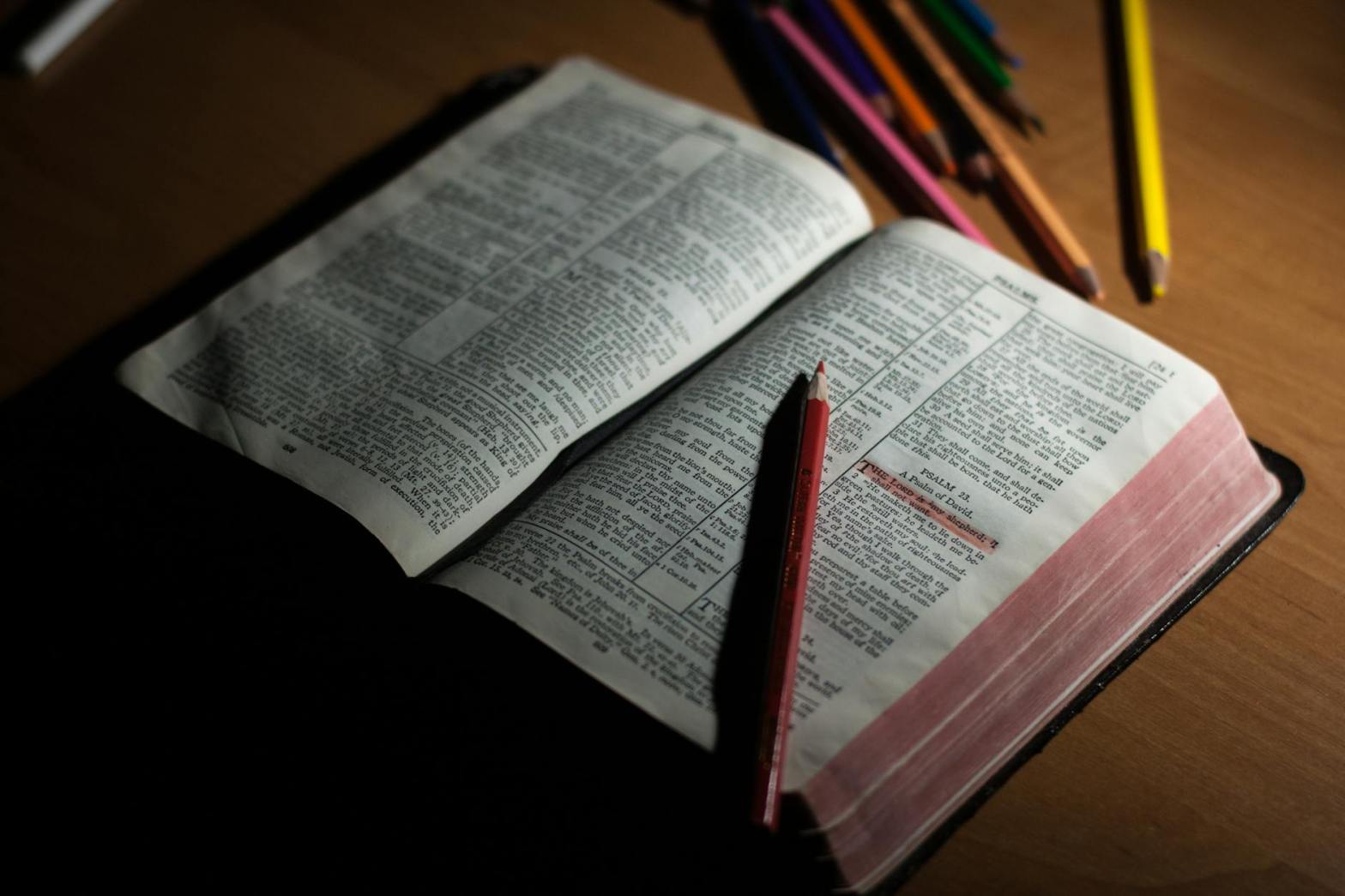
The author reflects on his Catholic education, noting that he rarely engaged with the Bible directly. He discusses the historical context of Bible reading, the importance of interpretation within Catholicism, and the challenge of understanding scripture amid differing religious views. Ultimately, he emphasizes the need for careful analysis when interpreting sacred texts.
Is Liberation Still Central to the Christian Message?

During the 1970s there was much talk of “liberation” among religions, especially in Catholicism. Gustavo Gutierrez and other Latin American theologians laid out a biblical and theological foundation for liberation as an essential element of the Christian message.
Will U.S. Catholicism Survive?
That sounds exactly like what Pope John XXIII and Pope Francis feared. They warned that the church was not meant to be a museum. If it was to survive it had to be a living, growing, thriving garden. To be that blossoming garden, both of these popes saw a need for change—what Pope John XXIII called aggiornamento, “updating.”
Catholicism: Does It Liberate?

In the 1990s, U.S. Catholic bishops noted the widespread use of artificial birth control among Catholic couples, citing poor teaching on the issue, and it was declared immoral in a 1968 papal encyclical. Joseph Stoutzenberger, drawing from his research, argues for critical thinking in Catholic education, suggesting that liberation involves questioning and analyzing beliefs, encouraging a deeper understanding of Catholicism aligned with Jesus’s teachings.
When the Saints Go Marching In

Joseph Stoutzenberger reflects on the negative focus of local news, contrasting it with the myriad of kindnesses often overlooked. He highlights the virtues celebrated in Catholicism, emphasizing love, kindness, and patience. Despite negative discourse among some Catholics, he advocates for embodying the fruits of the Holy Spirit to foster compassion in communities.
Who Wears the Pants in the Family?

A newly ordained priest’s dictatorial decree banning women in pants from the sanctuary underscores a troubling trend of clericalism within the Church. These outdated views reflect a more profound fear of women asserting authority, revealing an institutional struggle with gender dynamics—the push for inclusivity clashes dramatically with his repressive stance.
 Joseph Stoutzenberger