

by Joseph Stoutzenberger
Twenty-five years ago, I chaired the accreditation process for a local university. One criterion that was scrutinized to determine if accreditation should be granted was whether or not the school had taken steps to address diversity, equity, and inclusion. Those qualities were considered positive characteristics for a university. Today, there are forces who view being attentive to those three initiatives as detrimental to a school and the country. What exactly are the concerns voiced by advocates of diversity, equity, and inclusion?
Thirty years ago, a black student confided to me that he felt uncomfortable in the exclusively white neighborhood surrounding campus, and that even on campus he felt like an outsider who was looked upon with suspicion. The university noted his concern, and others like them, and took steps to address the lack of diversity on campus. Admissions counselors were sent to predominantly black schools in recruitment visits instead of just to the predominantly white schools they were familiar with. A vice president for diversity was hired, who formed a new club that welcomed students from various cultures to share their experiences and introduce the school community to the diverse foods and customs of their homeland. Any concerns students had related to their gender, race, or sexual orientation now had a place to voice those concerns. Physical changes were introduced, making the campus more accessible to people with disabilities. Some rest rooms were designated gender-neutral so that transgender students would feel comfortable there. Like a number of teachers, I explored my course curricula to see if I might include lessons on women and people of color who were previously overlooked. At all levels steps were taken to create a campus atmosphere that was sensitive to diversity, equity, and inclusion.
There have been excesses stemming from DEI initiatives, but there have been excesses in the anti-DEI movement as well. Why have these three terms become dirty words in some circles lately? One concern being expressed is “reverse discrimination.” A majority group, white heterosexual men, is being discriminated against because preferences are being given to members of minority groups. There is the belief that the most qualified applicants for a job are not being hired and instead lesser qualified people are hired simply because of their minority status. DEI practices represent “identity politics,” a focus on differences rather than on treating everyone the same. Making accommodations for people because of their race, gender identity, or religious affiliation is discriminatory. There should be no recognition of differences among Jews, Muslims, Jehovah’s Witnesses, and Latter-Day Saints related to dietary restrictions, dress, and holiday celebrations. College acceptance and hiring should be based solely on objectively verifiable criteria.
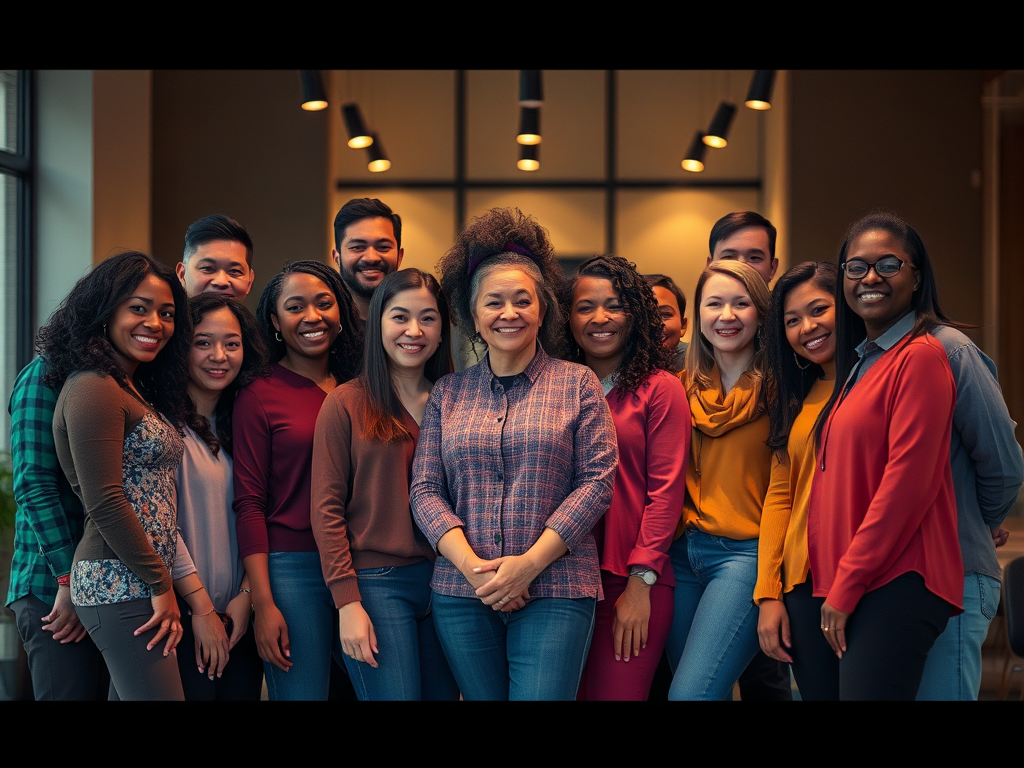
Is something lost when diversity, equity, and inclusion are not seen as positive characteristics? For some students in the Philadelphia area, college is the first place where they are in class with people from various racial and ethnic backgrounds. Some students even find themselves in co-ed classes for the first time since grade school. All studies indicate that their education is enriched by the diversity they experience. The same is true when people from diverse backgrounds and different characteristics work together. Being attentive to DEI need not be discriminatory, and can in fact be the exact opposite. For instance, in 2024 three-quarters of people killed by police in America were black men. Doesn’t that statistic deserve attention to determine whether police practices are at times prejudicial? Empirical studies have shown that when job applicants with completely identical resumes except for their name—one likely black and the other likely white, the apparently white candidate more frequently gets interviewed. Is it possible to achieve diversity, recognized as a positive characteristic, without being discriminatory? Various universities and corporations have taken steps to achieve that goal, taking into consideration more subjective qualities such as life experience and background along with objective test scores in their hiring and student acceptance.
Despite claiming to be proponents of fairness and non-prejudicial policies, anti-DEI advocates are often blind to their own prejudices. The state of Texas mandating that the Ten Commandments must be placed in public schools and courtrooms is not called out for being discriminatory. Requiring people to use bathrooms according to the sexual identity assigned them at birth, as called for by anti-DEI advocates, overlooks the science that indicates that sex and gender are much more complex than their narrow view of it. God’s good creation is wonderfully diverse, as is America. A focus on unum without sensitivity to e pluribus impacts everyone negatively. Unity without diversity is not utopia, except among robots. Dealing with diversity, equity, and inclusion are not easy, but to overlook them whitewashes our colorful, complex reality.
The book of Jonah tells of a prophet directed by God to go to Nineveh to preach repentance. Jonah hated the people of Nineveh but reluctantly did as God commanded. He then went off to a hillside overlooking the city, hoping God would destroy its people, but he knew better because God is “a kind and merciful God who always shows love, even for foreigners.” God’s vision is much more inclusive than Jonah’s and many anti-DEI proponents. In God’s eyes, diversity, difference, and nuance are to be cherished and cultivated and at their best make America a multi-colored tapestry that all can delight in and benefit from.
 Joseph Stoutzenberger
Joe, I hope this comment finds you well. I woke up this morning and your name appeared in my thoughts. I still remember well our discussion on St. Francis.
Bob Lafond
LikeLike